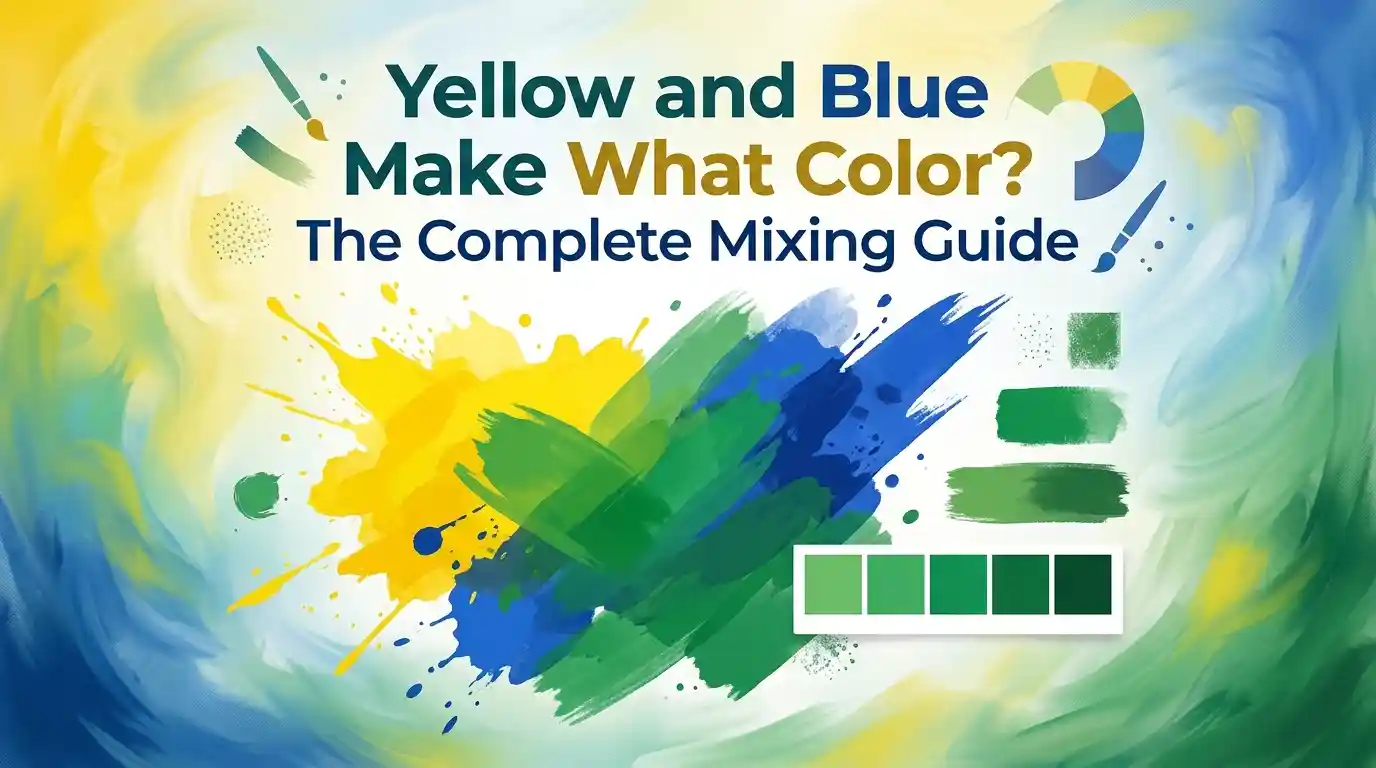
Yellow and Blue Make What Color? The Complete Mixing Guide
Have you ever mixed yellow and blue paint and watched it turn into something completely different right before your eyes? This is one of the first color-mixing tricks every artist learns, and it never stops feeling a little magical.
Main takeaway: Yellow and Blue Make What Color? The short answer is green. When you combine yellow and blue paint, the two primary colors blend to create a fresh, vibrant green — and the exact shade depends on the ratio, the pigments, and even the medium you’re using.
This guide breaks down exactly what happens when you mix yellow and blue in paint, in light, and in different ratios — plus how to fix a dull or muddy mix and where this color shows up in real design projects.
Understanding Yellow and Blue as Colors
Before diving into what yellow and blue make, it helps to understand what each one brings to the mix.
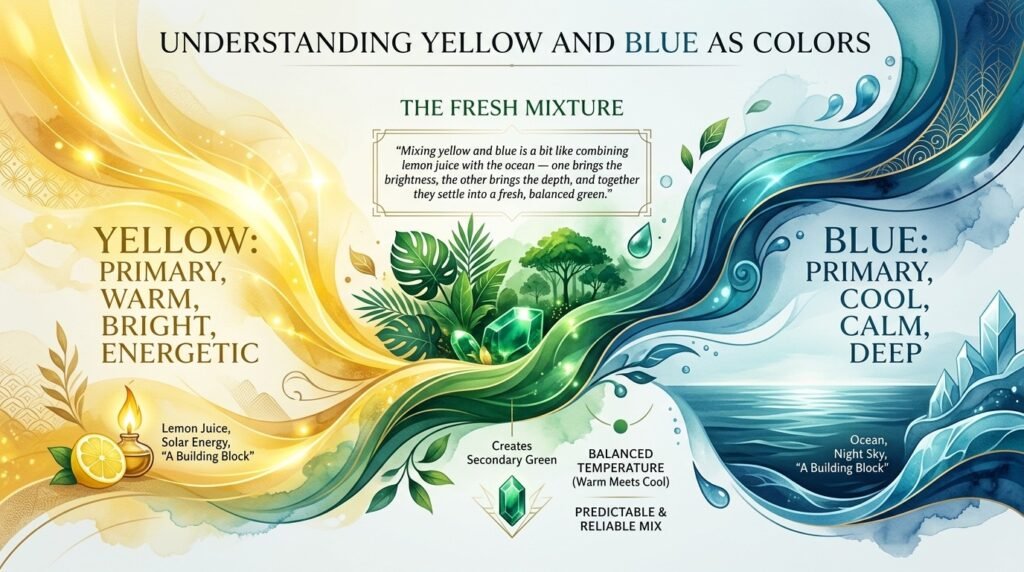
Yellow is a primary color. It’s warm, bright, and energetic, and it can’t be created by mixing other colors — it’s a building block of the color wheel.
Blue is also a primary color. It’s cool, calm, and deep, and like yellow, it can’t be broken down into other pigments.
Here’s why this pairing matters:
- Both are primary colors, so mixing them always creates a secondary color
- Yellow is warm, blue is cool — the resulting green balances both temperatures
- Their pairing is one of the most predictable and reliable mixes in color theory
“Mixing yellow and blue is a bit like combining lemon juice with the ocean — one brings the brightness, the other brings the depth, and together they settle into a fresh, balanced green.”
What Color Do You Get When You Mix Yellow and Blue Paint?
This is the heart of the question: yellow and blue make what color when mixed in traditional paint?
Because yellow and blue are both primary colors, mixing them always produces green — but the shade of green changes a lot depending on the ratio.
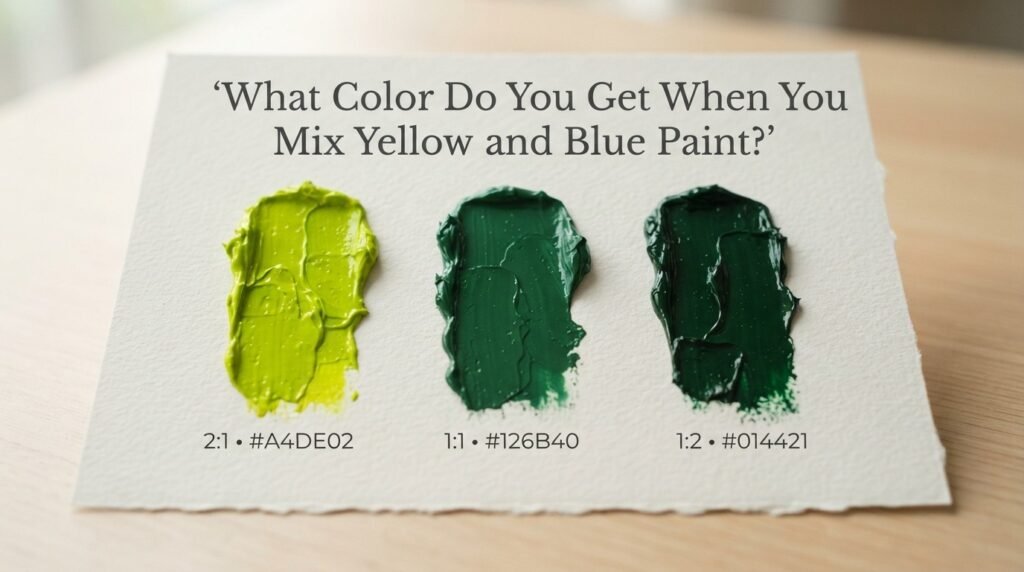
1:1 Ratio (Equal Parts)
- Resulting Color: True Green
- Hex Code: #4CAF50
- Use Case: General landscape painting, balanced foliage tones
2:1 Ratio (More Yellow)
- Resulting Color: Lime Green
- Hex Code: #8BC34A
- Use Case: Spring scenes, bright accents, fresh grass tones
1:2 Ratio (More Blue)
- Resulting Color: Deep Forest Green
- Hex Code: #2E5339
- Use Case: Shadowed foliage, pine trees, moody nature scenes
Beginner Tip: Add blue into yellow a little at a time. Blue pigments are usually much stronger than yellow, so a tiny amount can shift your whole mix.
Full Mixing Chart: Yellow and Blue Pigment Combinations
If you’re wondering what color yellow and blue make across different pigment types, this chart covers common combinations artists use.
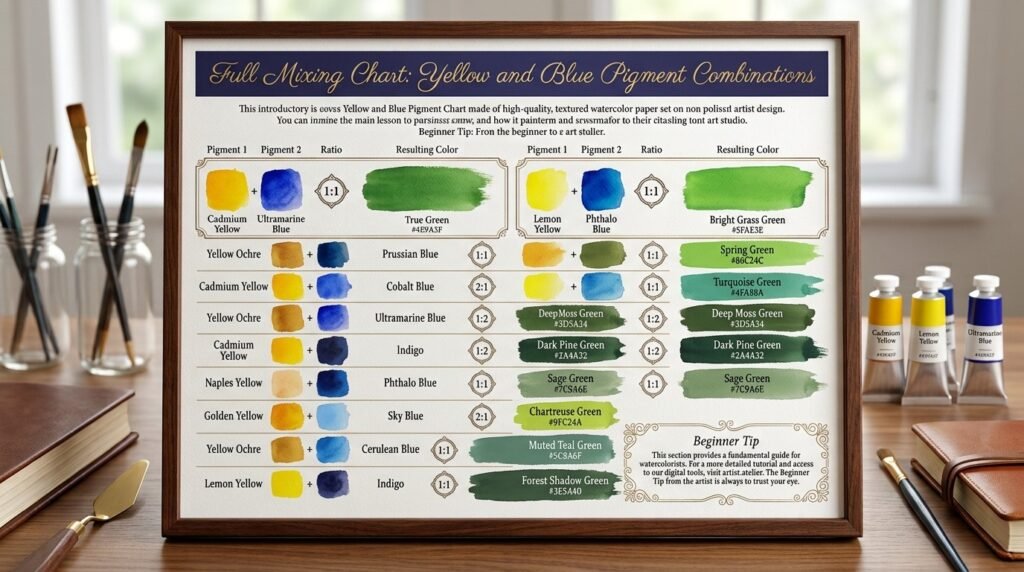
| Pigment 1 | Pigment 2 | Ratio | Resulting Color | Hex Code |
| Cadmium Yellow | Ultramarine Blue | 1:1 | True Green | #4E9A3F |
| Lemon Yellow | Phthalo Blue | 1:1 | Bright Grass Green | #5FAE3E |
| Yellow Ochre | Prussian Blue | 1:1 | Olive Green | #6B7A3C |
| Cadmium Yellow | Cobalt Blue | 2:1 | Spring Green | #86C24C |
| Lemon Yellow | Cerulean Blue | 1:1 | Turquoise Green | #4FA88A |
| Yellow Ochre | Ultramarine Blue | 1:2 | Deep Moss Green | #3D5A34 |
| Cadmium Yellow | Indigo | 1:2 | Dark Pine Green | #2A4A32 |
| Naples Yellow | Phthalo Blue | 1:1 | Sage Green | #7C9A6E |
| Golden Yellow | Sky Blue | 2:1 | Chartreuse Green | #9FC24A |
| Yellow Ochre | Cerulean Blue | 1:1 | Muted Teal Green | #5C8A6F |
| Lemon Yellow | Indigo | 1:1 | Forest Shadow Green | #3E5A40 |
Beginner Tip: If your green looks too dull, add a touch more yellow to brighten it. If it looks too neon, a small amount of blue will tone it down.
What Color Does Yellow and Blue Light Make?
Paint and light behave completely differently, so yellow and blue make what color changes when you’re working with digital screens instead of pigments.
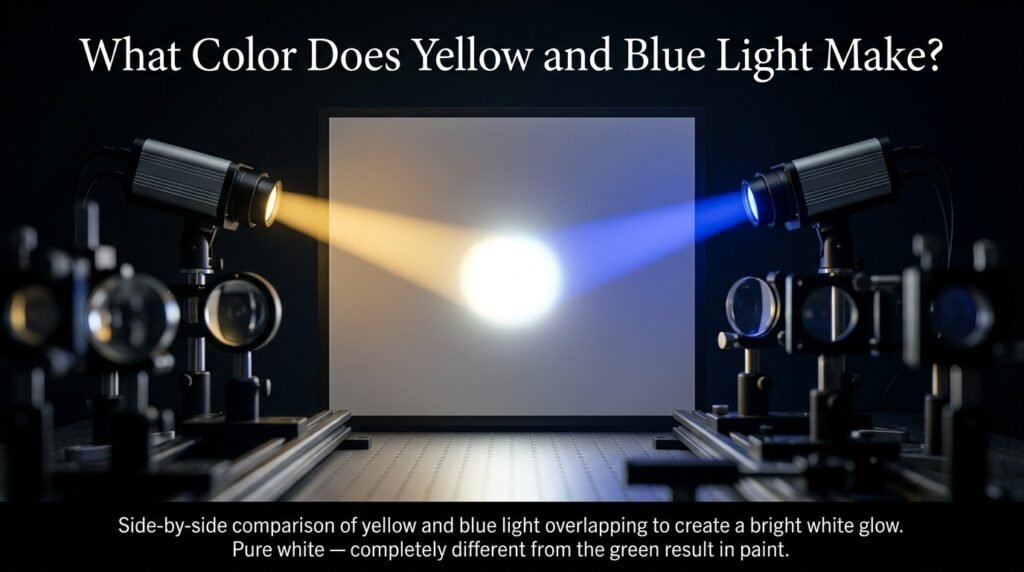
Light mixing is additive — colors combine by adding brightness, not by absorbing it.
- Yellow Light: RGB (255, 255, 0)
- Blue Light: RGB (0, 0, 255)
- Combined Result: RGB (255, 255, 255) — pure white light
Unlike paint, mixing yellow and blue light doesn’t create green at all. Because yellow and blue are complementary in the light spectrum, combining them at full strength cancels out into white.
Where this matters:
- Stage and theater lighting design
- LED displays and screen graphics
- Digital art and UI color blending
- Photography and video color grading
Subtractive vs. Additive Mixing: Side-by-Side Comparison
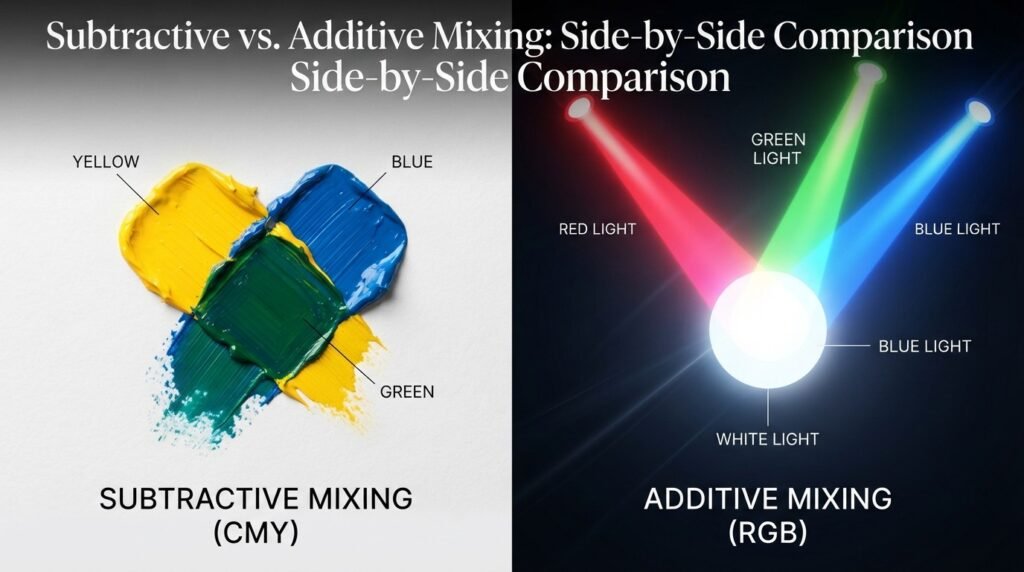
| Feature | Paint (Subtractive) | Light (Additive) |
| How it works | Absorbs light | Combines light |
| Yellow + Blue result | Green | White |
| Brightness effect | Gets darker | Gets lighter |
| Common medium | Paint, ink, pigment | Screens, LEDs, stage lights |
| Base colors | Red, yellow, blue | Red, green, blue (RGB) |
How Ratio Affects the Final Color
The exact answer to yellow and blue makes what color shift depending on how much of each you use.
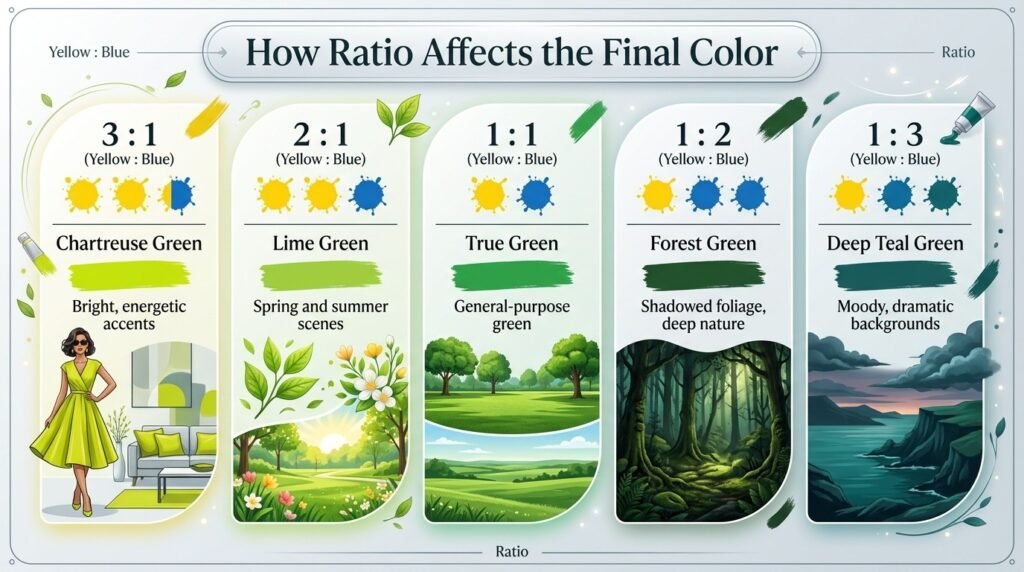
| Ratio (Yellow: Blue) | Resulting Color | Best Use Case |
| 3:1 | Chartreuse Green | Bright, energetic accents |
| 2:1 | Lime Green | Spring and summer scenes |
| 1:1 | True Green | General-purpose green |
| 1:2 | Forest Green | Shadowed foliage, deep nature |
| 1:3 | Deep Teal Green | Moody, dramatic backgrounds |
Why Your Mix Looks Muddy — and How to Fix It
If your green looks dull or grayish instead of fresh, here’s why it happens and how to fix it.
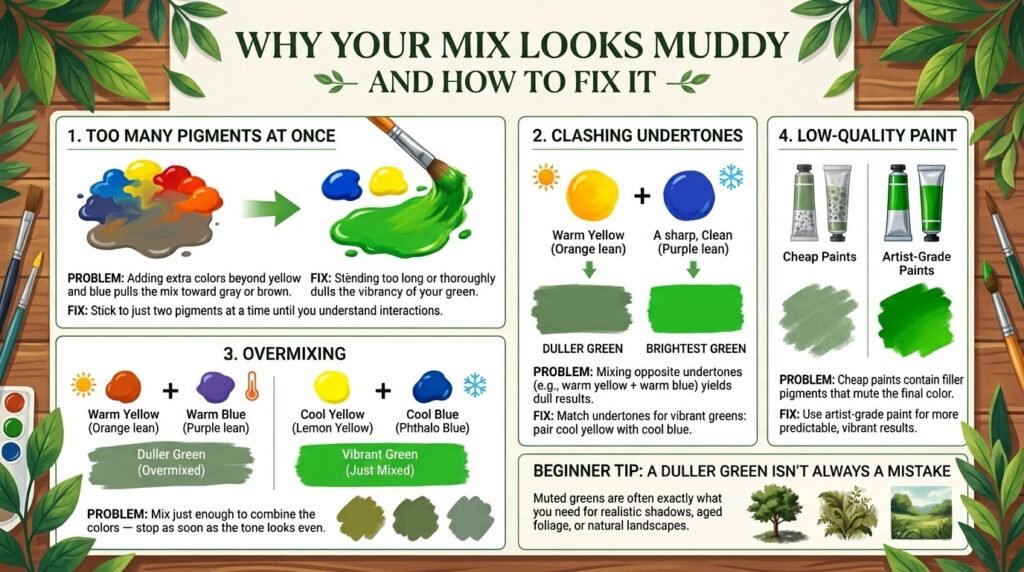
1. Too Many Pigments at Once
Problem: Adding extra colors beyond yellow and blue pulls the mix toward gray or brown.
Fix: Stick to just two pigments at a time until you understand how they interact.
2. Overmixing
Problem: Blending too long or too thoroughly can dull the vibrancy of your green.
Fix: Mix just enough to combine the colors — stop as soon as the tone looks even.
3. Clashing Undertones
Problem: A warm yellow (leaning orange) mixed with a warm blue (leaning purple) creates a duller, less vibrant green than expected.
Fix: Match undertones — pair a cool yellow (like lemon yellow) with a cool blue (like phthalo blue) for the brightest green.
4. Low-Quality Paint
Problem: Cheap paints often contain filler pigments that mute the final color.
Fix: Use artist-grade paint for more predictable, vibrant results.
Beginner Tip: A duller green isn’t always a mistake — muted greens are often exactly what you need for realistic shadows, aged foliage, or natural landscapes.
Best Pigments to Mix for Clean Results
| Pigment Pair | Result Description |
| Lemon Yellow + Phthalo Blue | Bright, vibrant grass green |
| Cadmium Yellow + Ultramarine Blue | Balanced true green |
| Yellow Ochre + Prussian Blue | Deep, earthy olive green |
| Naples Yellow + Cerulean Blue | Soft, muted sage green |
| Golden Yellow + Sky Blue | Light, cheerful chartreuse green |
Mixing tip: Add your blue gradually into the yellow rather than the reverse. Blue pigments are far more concentrated, so a small amount changes the mix quickly.
Real-Life Examples: Where This Mix Is Used
Understanding what color yellow and blue make isn’t just theory — it shows up across creative industries.
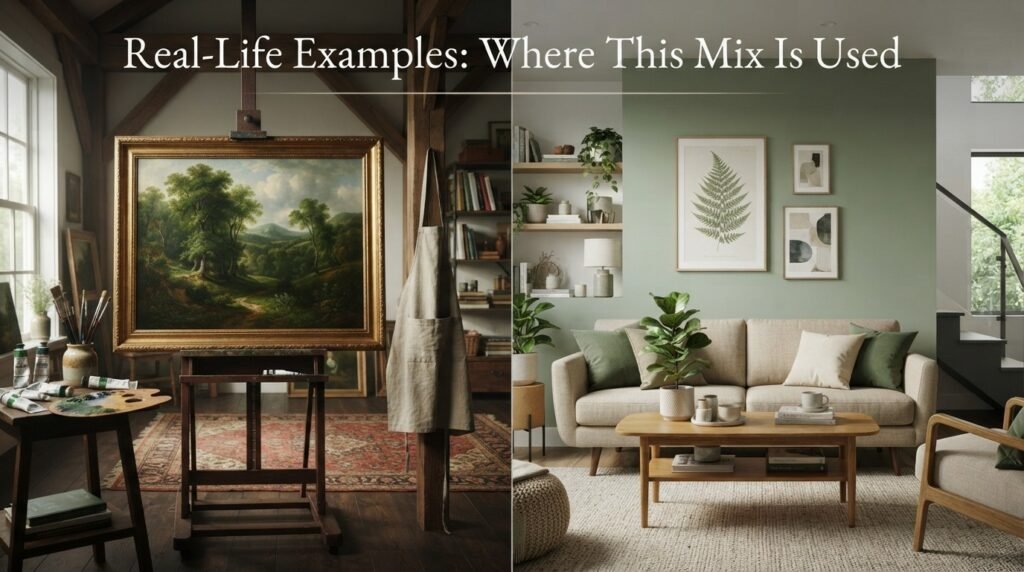
Traditional Art: Landscape painters rely on yellow-and-blue greens for everything from bright spring grass to deep forest shadows, adjusting the ratio to match the season and lighting.
Interior Design: Fresh greens created from this mix work beautifully as accent walls, upholstery, or plant-inspired decor that brings a natural, calming feel into a room.
Digital Media: Designers use precise RGB green values in branding, app interfaces, and nature-themed graphics to evoke freshness and growth.
What Happens When You Add White, Yellow, or Black
Modifying your yellow-blue green opens up even more variations.
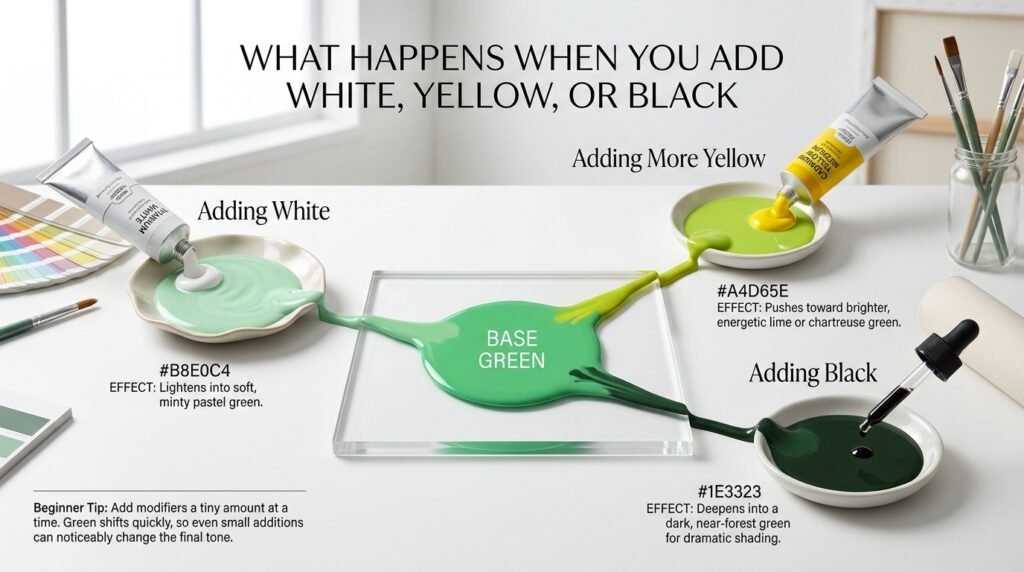
Adding White
Effect: Lightens the mix into a soft, minty pastel green.
Hex Code Example: #B8E0C4
Adding More Yellow
Effect: Pushes the mix toward a brighter, more energetic lime or chartreuse green.
Hex Code Example: #A4D65E
Adding Black
Effect: Deepens the mix into a dark, near-forest green useful for dramatic shading.
Hex Code Example: #1E3323
Beginner Tip: Add modifiers a tiny amount at a time. Green shifts quickly, so even small additions can noticeably change the final tone.
Paint vs. Digital Media: A Closer Look
The yellow and blue make what color question always comes back to medium.
In paint (subtractive mixing), pigments absorb wavelengths of light, so combining yellow and blue results in green — the two colors work together to reflect only the green wavelengths to your eyes.
In digital media (additive mixing), RGB light values are added together. Yellow (255,255,0) and blue (0,0,255) combine into white, because their light wavelengths cover the full visible spectrum when combined at full strength.
This is why the same two “colors” can produce opposite results depending on whether you’re holding a paintbrush or working in a design app.
Tips for Artists Mixing Yellow and Blue
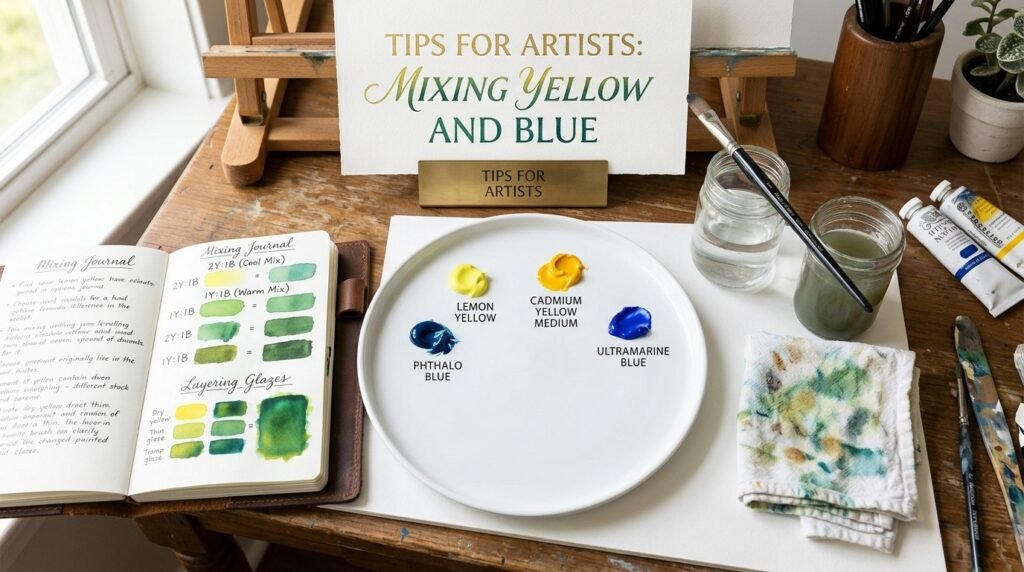
- Match temperature: Pair a cool yellow with a cool blue (or warm with warm) for the most vibrant green
- Test on a white palette: White backgrounds show the true color more accurately than tinted surfaces.
- Layer instead of blend: Applying thin layers of blue over dry yellow (or vice versa) creates richer, more controlled greens than mixing wet paint.
- Keep a mixing journal: Note down your ratios so you can recreate a favorite green later.r
- Clean your brush often: Leftover pigment from other colors can dull your yellow-blue mix.
Green in Fashion and Interior Design
The fresh green created when yellow and blue make what color designers often call “grass green” or “true green” has become a staple in both fashion and home decor. It reads as natural, energizing, and grounded, pairing beautifully with neutrals like cream, tan, and warm wood tones.
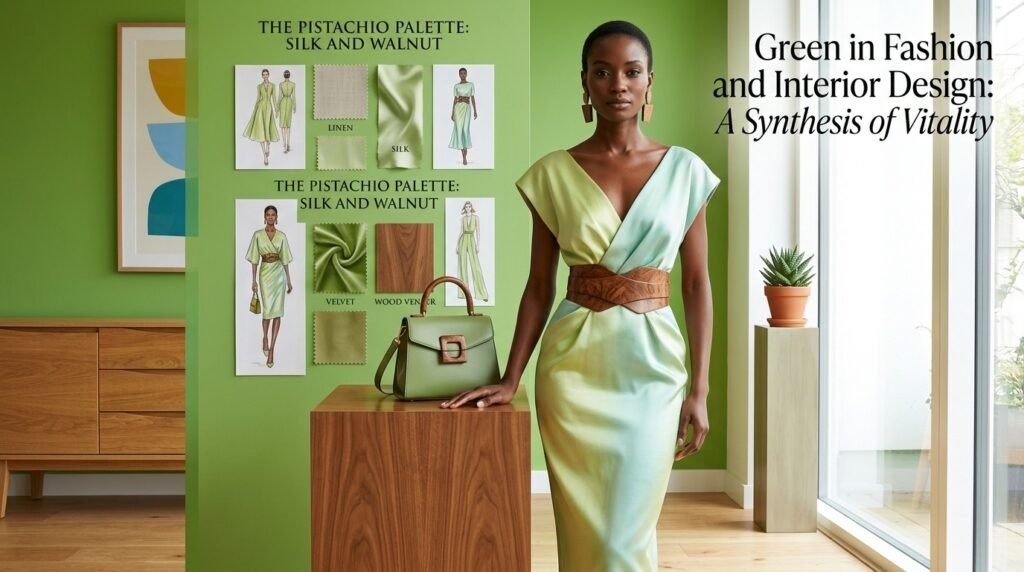
In fashion, green shows up in outerwear, activewear, and statement accessories for a bold, nature-inspired look. In interiors, it works as a wall color, upholstery choice, or accent piece that brings life into a space.
If you’re planning a room refresh around this shade, browsing a curated color palette guide can help you pick complementary tones before you commit to paint.
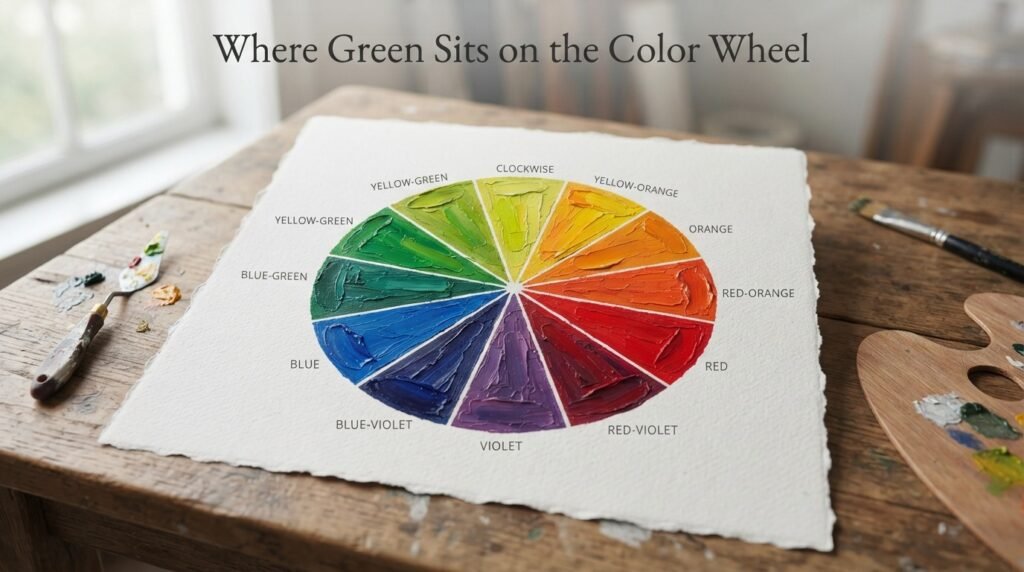
Where Green Sits on the Color Wheel
The green created by mixing yellow and blue has a clear, fixed spot on the color wheel.\
- Wheel position: Green is a secondary color, sitting directly between yellow and blue
- Complementary color: Red is green’s direct complement
- Analogous colors: Yellow-green and blue-green sit on either side of green on the wheel
Conclusion
So, yellow and blue make what color? In paint, the answer is a clear, vibrant green — one of the most reliable and predictable mixes in color theory. In digital light, the same two colors combine into pure white, since yellow and blue sit as complements on the light spectrum.
Keep in mind that your green can turn dull or muddy if you use too many pigments, mismatched undertones, or low-quality paint — but with the right ratio and pigments, this mix delivers a beautiful, fresh green every time.
Whether you’re painting a landscape, designing an app, or picking a wall color, understanding how yellow and blue make green in each medium gives you more control over your final result.
FAQs About Mixing Yellow and Blue
What color do yellow and blue make?
Yellow and blue make green when mixed as paint, since both are primary colors that combine to form this secondary color.
What color do yellow and blue make when mixed in light?
In light (RGB), yellow and blue make white because they act as complementary colors in the light spectrum.
Why does mixing yellow and blue sometimes look dull?
The mix can look dull due to mismatched undertones, overmixing, or low-quality paint that mutes the final green.
What ratio of yellow and blue makes the brightest green?
A 2:1 ratio with more yellow typically creates a brighter, more vibrant lime green.
Can I fix a dull yellow and blue mix?
Yes — adding a bit more yellow can brighten it, while a touch of blue can deepen a green that looks too neon.
Do yellow and blue make a good paint combination?
Yes, it’s one of the most reliable mixes in color theory, producing everything from bright lime green to deep forest green.
What color do yellow and blue make in digital design?
In digital design, yellow and blue light combine into white, which is why designers rely on specific RGB values rather than mixing light colors directly to get green.