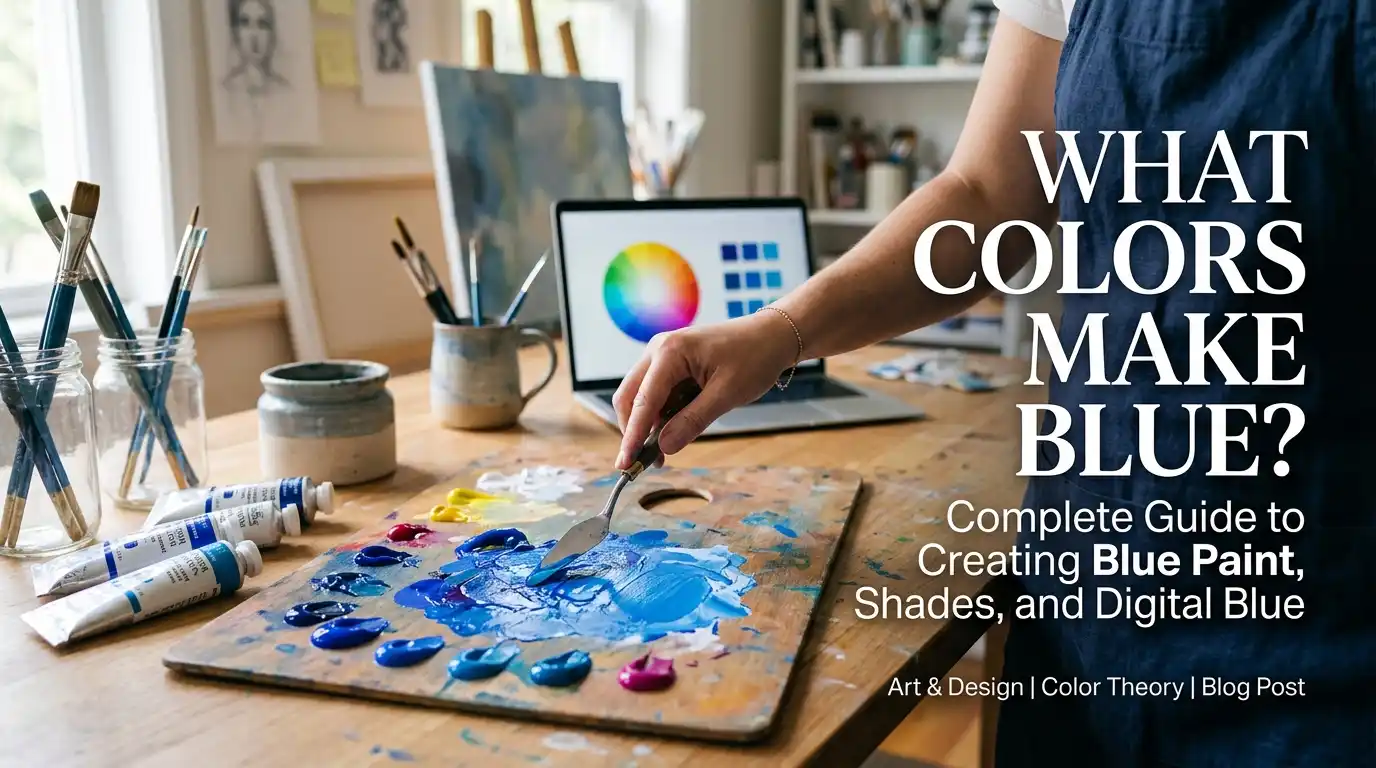
What Colors Make Blue? Complete Guide to Creating Blue Paint, Shades, and Digital Blue
Have you ever wondered What Colors Make Blue when mixing paints or creating digital designs? Blue is one of the most popular colors in the world, appearing in nature, art, fashion, branding, and technology. From deep ocean shades to bright sky blues, this color has countless variations.
Unlike many colors, blue is unique because it is considered a primary color in traditional color theory. This means pure blue cannot usually be created by mixing other basic paint colors.
Main Takeaway: In traditional paint mixing, you cannot make pure blue by combining other colors because blue is a primary color. However, you can create blue-like shades by mixing colors such as cyan and magenta or adjust existing blue pigments to create lighter, darker, warmer, or cooler blues.
Meta-style intro: Discover What Colors Make Blue, how artists create blue shades, digital RGB values, alternative mixing methods, common mistakes, and expert tips for achieving the perfect blue color.
What Is Blue Color?
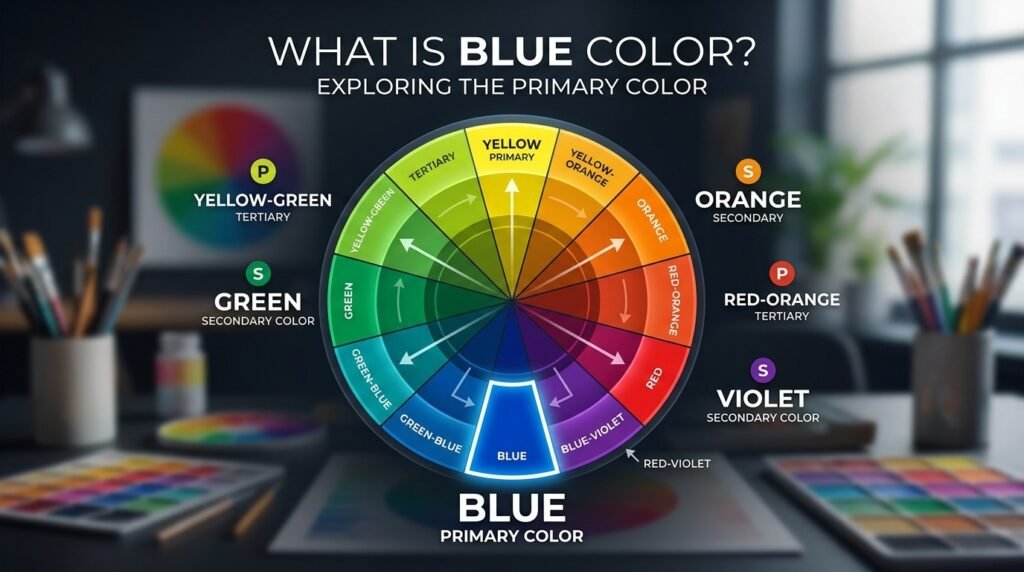
Blue is one of the three traditional primary colors in the RYB color model, alongside red and yellow. Primary colors are considered building blocks because they cannot be created by mixing other colors in this system.
Blue Color Properties
| Property | Value |
| Hex Code | #0000FF |
| RGB Values | 0, 0, 255 |
| Color Family | Blue |
| Temperature | Cool |
| Color Type | Primary Color |
Blue is generally considered a cool color and is often associated with:
- Calmness
- Trust
- Intelligence
- Stability
- Nature
- Technology
“Creating the perfect blue is like adjusting the water temperature in a pool—small changes create a completely different feeling.”
What Colors Make Blue?
The direct answer to What Colors Make Blue depends on the color system you are using.
Traditional Paint Theory (RYB)
In traditional painting:
Blue is a primary color.
This means:
- Red + Yellow = Orange
- Yellow + Blue = Green
- Red + Blue = Purple
But:
No basic paint combination creates pure blue.
Artists usually purchase blue pigments such as:
- Ultramarine Blue
- Cobalt Blue
- Cerulean Blue
- Phthalo Blue
Digital Color Theory (CMY/RGB)
In some modern color systems, blue can be approximated by combining:
Cyan + Magenta = Blue
This method is used in printing and digital color systems.
Basic Digital Mixing Ratio
| Color | Amount |
| Cyan | 1 Part |
| Magenta | 1 Part |
Result:
A blue or blue-violet shade depending on intensity.
Step-by-Step: How to Mix Blue in Paint
Since pure blue cannot be created with traditional paint mixing, artists focus on creating blue-like shades.
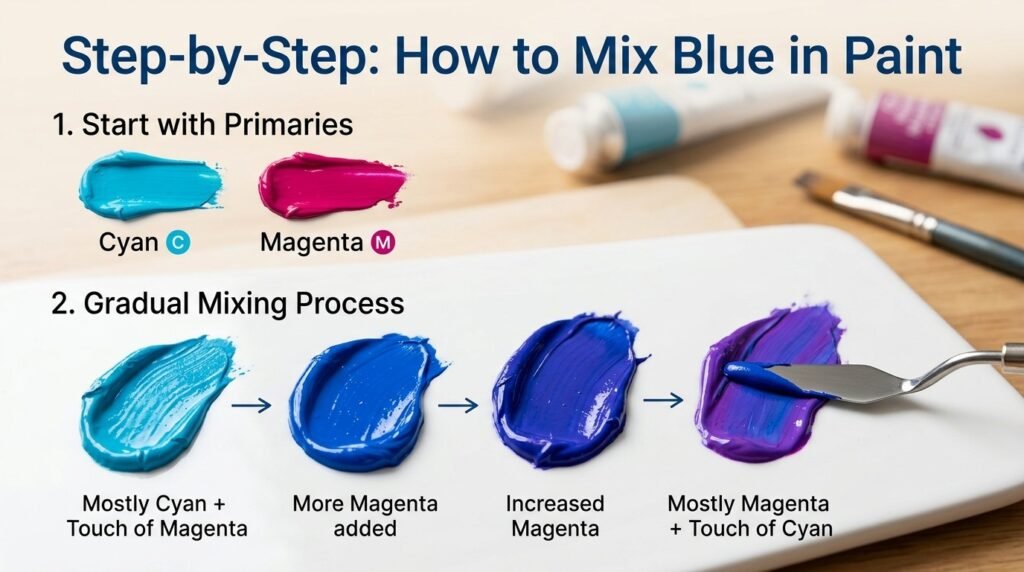
Step 1: Start With Cyan or Turquoise
Use a bright cyan-based color as your starting point.
Step 2: Add Magenta Slowly
Add a small amount of magenta to shift cyan toward blue.
Step 3: Adjust the Shade
To Make Blue Lighter
Add white.
Example:
Blue + White = Sky Blue
To Make Blue Darker
Add black or a dark violet.
Example:
Blue + Black = Navy Blue
To Make Blue Warmer
Add a small amount of violet.
Example:
Blue + Violet = Royal Blue
To Make Blue Cooler
Add more cyan.
Example:
Blue + Cyan = Aqua Blue
Beginner Tip
Beginner Tip: When adjusting blue shades, add darker pigments slowly. A tiny amount of black or magenta can dramatically change the color.
Blue Mixing Chart: Different Pigment Combinations
While pure blue requires a blue pigment, different combinations can create similar blue shades.
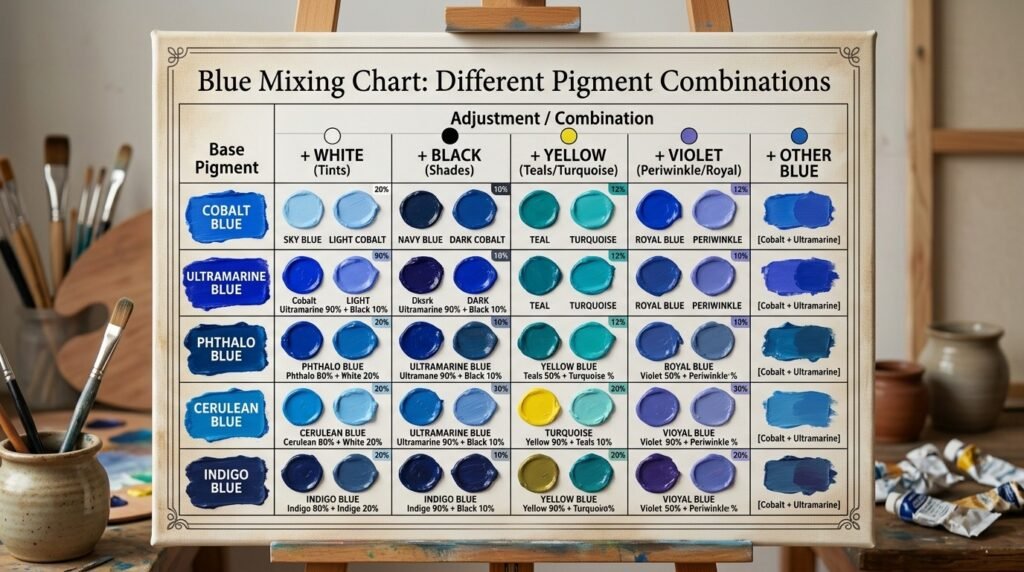
| Starting Colors | Ratio | Result Shade | Hex Code |
| Cyan + Magenta | 1:1 | Digital Blue | #0000FF |
| Cyan + Small Magenta | 3:1 | Bright Cyan Blue | #0099FF |
| Cyan + Violet | 2:1 | Ocean Blue | #0077CC |
| Phthalo Green + Magenta | 1:1 | Deep Blue Tone | #0057A8 |
| Ultramarine Blue + White | 1:3 | Sky Blue | #87CEEB |
| Cobalt Blue + White | 1:2 | Soft Blue | #6CA6CD |
| Ultramarine Blue + Black | 4:1 | Navy Blue | #000080 |
| Cerulean Blue + White | 1:2 | Baby Blue | #89CFF0 |
| Blue + Violet | 2:1 | Royal Blue | #4169E1 |
| Blue + Green | 3:1 | Teal Blue | #008CBA |
How to Make Blue With Different Starting Colors
If you do not have traditional blue paint available, several alternatives can help.
Method 1: Cyan + Magenta
This is the closest digital and printing method.
Formula:
- Cyan
- Small amount of Magenta
Result:
Blue or blue-violet.
Method 2: Green + Magenta
A controlled mixture of green and magenta can reduce warm tones and create a dark blue-like shade.
Method 3: Purple + Cyan
Adding cyan to purple creates a cooler blue tone.
Method 4: Existing Blue Adjustment
Many artists create custom blues by modifying:
- Ultramarine Blue
- Cobalt Blue
- Phthalo Blue
This approach is the most reliable for how to make blue color in painting.
How to Make Blue Color Digitally (RGB/Hex)
For digital projects, creating blue is straightforward.
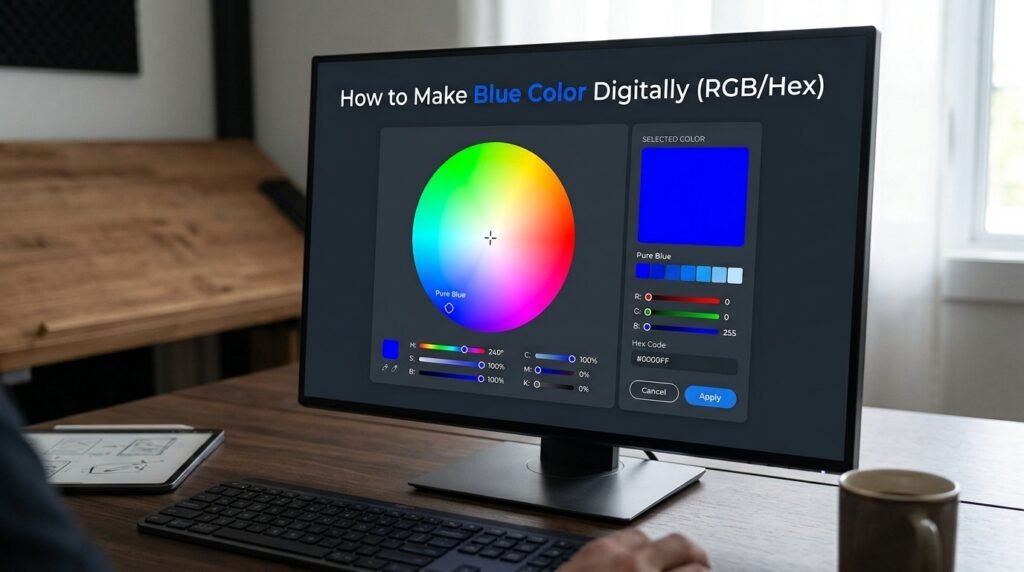
Standard Blue Values
| Format | Value |
| Hex | #0000FF |
| RGB | 0, 0, 255 |
| HSL | 240°, 100%, 50% |
Photoshop
- Open Color Picker.
- Enter:
#0000FF
Procreate
Use RGB:
- Red: 0
- Green: 0
- Blue: 255
CSS
color: #0000FF;
Digital blue uses maximum blue light intensity with no red or green.
Common Mistakes When Making Blue and How to Fix Them
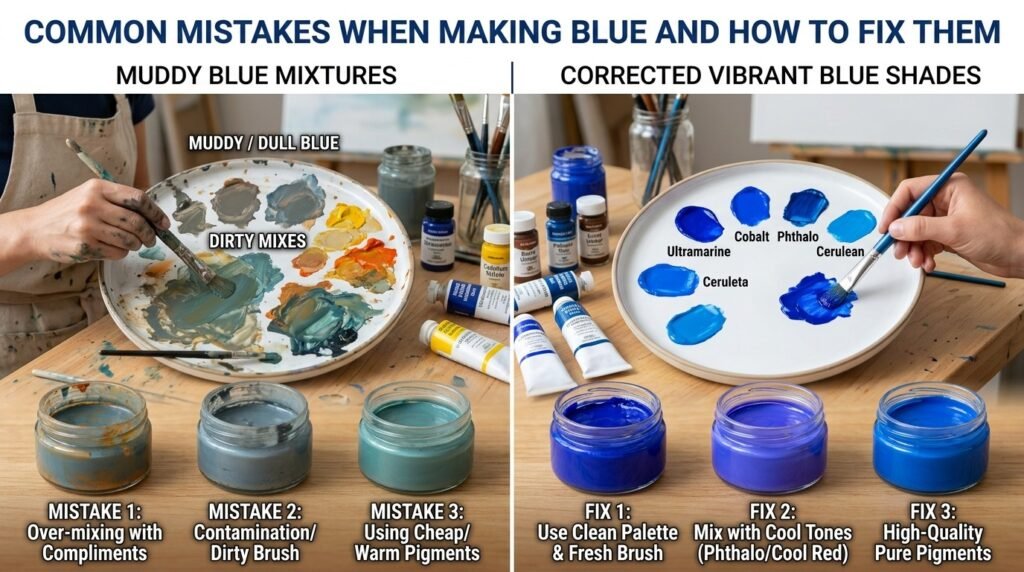
Mistake 1: Expecting Red and Yellow to Create Blue
Many beginners assume all primary colors can be mixed.
Fix: Remember blue is already a primary color in traditional painting.
Mistake 2: Blue Looks Too Green
Cause:
Too much cyan or green pigment.
Fix:
Add a tiny amount of magenta or violet.
Mistake 3: Blue Looks Too Purple
Cause:
Too much magenta.
Fix:
Add more cyan or pure blue.
Mistake 4: Blue Looks Gray
Cause:
Too many mixed pigments.
Fix:
Use cleaner pigments.
Tips for Getting a Consistent, Vivid Blue Color
Use High-Quality Pigments
Professional paints produce cleaner and brighter blues.
Test Small Amounts
Create samples before painting large areas.
Keep Pigment Notes
Record successful formulas.
Test After Drying
Some acrylic paints become darker after drying.
Use White Carefully
Too much white can reduce blue intensity.
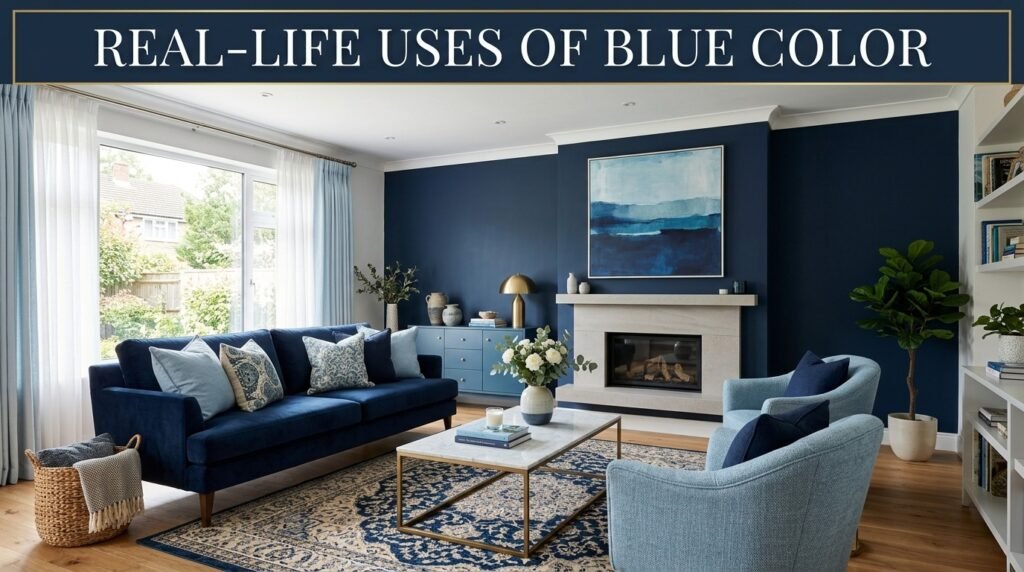
Real-Life Uses of Blue Color
Fashion
Blue is one of the most popular fashion colors because it represents confidence and elegance.
Common examples:
- Denim
- Navy suits
- Blue accessories
Interior Design
Blue is widely used in:
- Bedrooms
- Bathrooms
- Offices
- Coastal designs
Branding
Many companies use blue because it communicates:
- Trust
- Security
- Professionalism
Industries using blue branding include technology, finance, and healthcare.
Shades and Variations of Blue
| Blue Variation | Hex Code | Common Use |
| Sky Blue | #87CEEB | Backgrounds and interiors |
| Navy Blue | #000080 | Fashion and corporate design |
| Royal Blue | #4169E1 | Branding and sports |
| Baby Blue | #89CFF0 | Soft designs and nurseries |
Each shade is created by adjusting blue with white, black, or other colors.
Where Blue Sits on the Color Wheel
Blue has an important position in traditional color theory.
| Property | Description |
| Color Type | Primary Color |
| Family | Blue |
| Complementary Color | Orange |
| Analogous Colors | Green and Violet |
| Nearby Colors | Cyan, Navy, Indigo |
Blue sits between green and violet on the color wheel.
Because it is primary, blue plays a major role in creating secondary colors such as green and purple.
Conclusion
Now you understand What Colors Make Blue and why creating pure blue is different from mixing most other colors.
In traditional painting, blue is a primary color, meaning it cannot be made by mixing basic paint colors. However, digital systems and advanced pigment techniques can create blue-like shades using combinations such as cyan and magenta.
Experiment with different pigments, adjust shades carefully, and remember that the best blue often comes from choosing the right pigment rather than simply mixing colors.
FAQs
What Colors Make Blue when mixed?
In traditional paint theory, no basic colors create pure blue because blue is a primary color. In digital and printing systems, cyan and magenta can create blue-like results.
How do you make blue color without blue paint?
You can approximate blue by mixing cyan and magenta or by using combinations like green and magenta. However, the result may not match pure blue pigment.
Can red and yellow make blue?
No. Red and yellow create orange when mixed. They cannot produce blue.
What colors make dark blue?
Dark blue is usually created by adding black, violet, or deeper blue pigments to existing blue paint.
What colors make light blue?
Light blue is made by mixing blue with white. The more white added, the softer the blue becomes.
How do you make blue digitally?
Digital blue is created using RGB values: Red 0, Green 0, Blue 255, represented by the hex code #0000FF.
Why is blue considered a primary color?
Blue is considered primary in traditional color theory because it cannot be created by mixing other basic pigments.