What Colors Make Gray: How to Mix the Perfect Shade
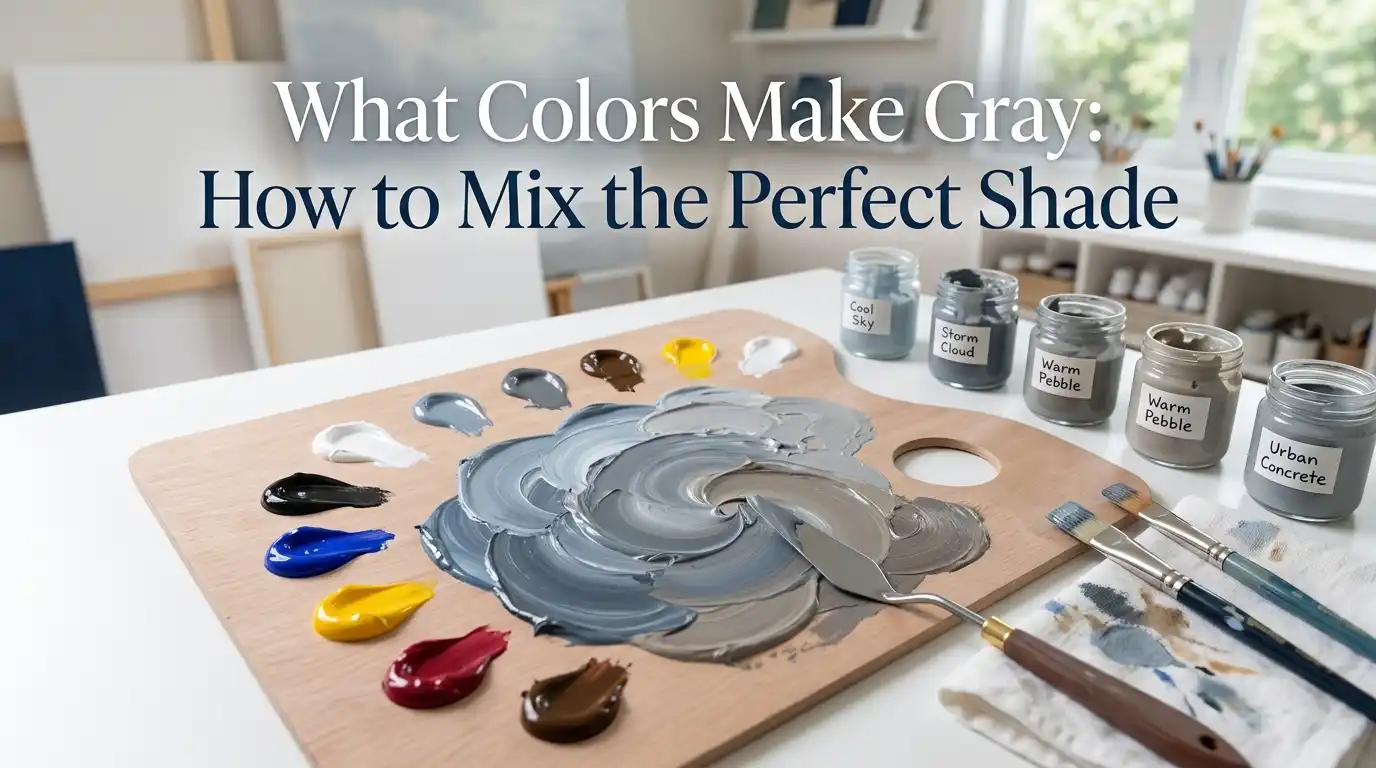
Have you ever wondered what colors make gray and how artists create that balanced, neutral shade? Gray may look simple, but creating the right gray requires understanding how different pigments interact. A slightly different mix can produce a cool blue-gray, a warm greige, or a deep charcoal tone.
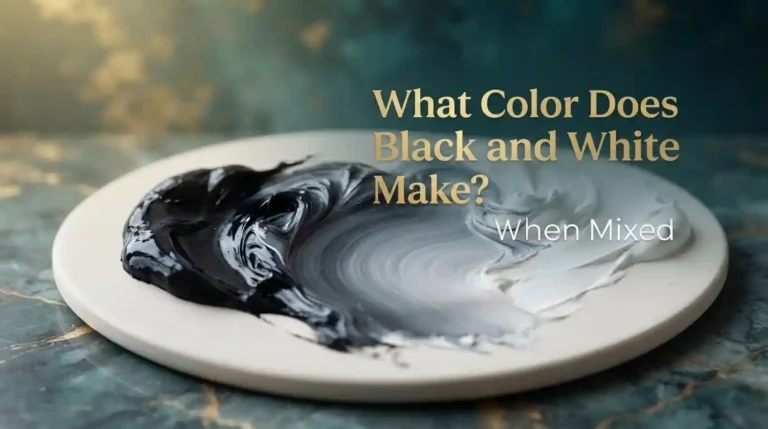
Main takeaway: To make a basic gray paint color, mix equal parts of black and white (1:1 ratio), or combine complementary colors like blue and orange, red and green, or yellow and purple until they neutralize into gray.
Gray is one of the most versatile colors in art, design, and decoration. It can feel modern and elegant, soft and calming, or dramatic and bold depending on the undertones.
What Is Gray?
Gray is a neutral color created by balancing black and white or by mixing complementary colors that cancel each other’s intensity. On the color wheel, gray does not have a fixed position because it is considered an achromatic color rather than a traditional hue.
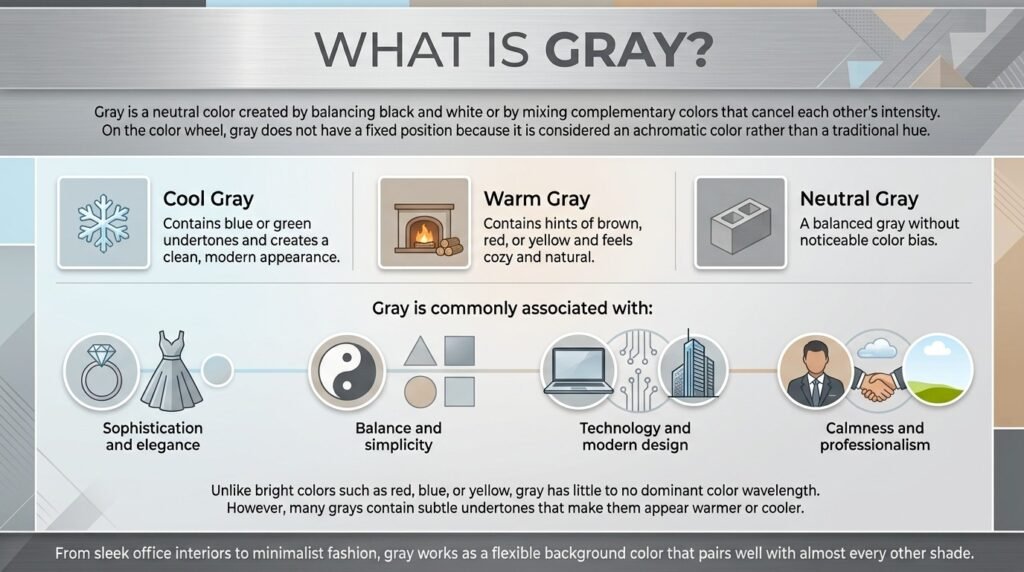
Unlike bright colors such as red, blue, or yellow, gray has little to no dominant color wavelength. However, many grays contain subtle undertones that make them appear warmer or cooler.
Common gray characteristics include:
- Cool gray: Contains blue or green undertones and creates a clean, modern appearance.
- Warm gray: Contains hints of brown, red, or yellow and feels cozy and natural.
- Neutral gray: A balanced gray without noticeable color bias.
Gray is commonly associated with:
- Sophistication and elegance
- Balance and simplicity
- Technology and modern design
- Calmness and professionalism
From sleek office interiors to minimalist fashion, gray works as a flexible background color that pairs well with almost every other shade.
What Colors Make Gray?
So, what colors make gray? The easiest answer depends on whether you are mixing paint traditionally or creating gray digitally.
For physical paint, the most common method is:
| Color Combination | Ratio | Result |
| Black + White | 1:1 | Neutral Gray |
A standard medium gray can also be created by mixing complementary colors:
| Starting Colors | Approximate Ratio | Result |
| Blue + Orange | 1:1 | Balanced Gray |
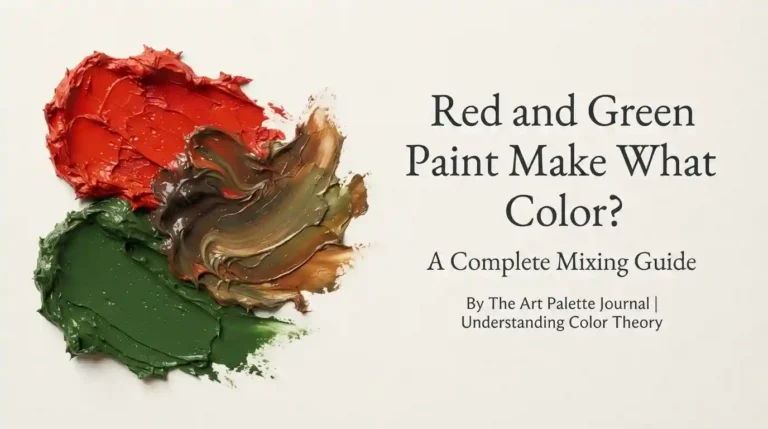
| Red + Green | 1:1 | Warm Gray |
| Yellow + Purple | 1:1 | Soft Gray |
Beginner Tip:
If your gray looks too colorful, add the opposite complementary color in tiny amounts until the brightness reduces and the shade becomes more neutral.
“Mixing gray is like balancing a conversation between colors — when every voice is equal, the result becomes calm and harmonious.”
Step-by-Step: How to Mix Gray in Paint
Learning how to make Gray with paint is simple when you start with small amounts and adjust slowly.

Step 1: Start With Black and White
Use:
- 1 part black paint
- 1 part white paint
Mix thoroughly until the color becomes even.
Example:
50% black + 50% white = medium gray
Step 2: Adjust the Gray Lighter or Darker
To create different gray values:
- Add more white → light gray
- Add more black → dark gray or charcoal
Examples:
- 1 part black + 3 parts white = light gray
- 2 parts black + 1 part white = dark gray
Step 3: Make Gray Warmer
If your gray feels too cold, add a tiny amount of:
- Red
- Yellow
- Brown
- Orange
This creates a warm gray often called greige.
Step 4: Make Gray Cooler
For a cooler modern gray, add a small amount of:
- Blue
- Green
- Violet
This creates a steel or slate-like appearance.
Step 5: Test Before Creating Large Amounts
Always test your mixture on paper or canvas first.
Paint often changes slightly as it dries, especially acrylic and watercolor paints. A gray that looks perfect when wet may become slightly darker after drying.
Gray Mixing Chart: Paint Combinations and Results
The following chart shows different ways of creating gray shades.
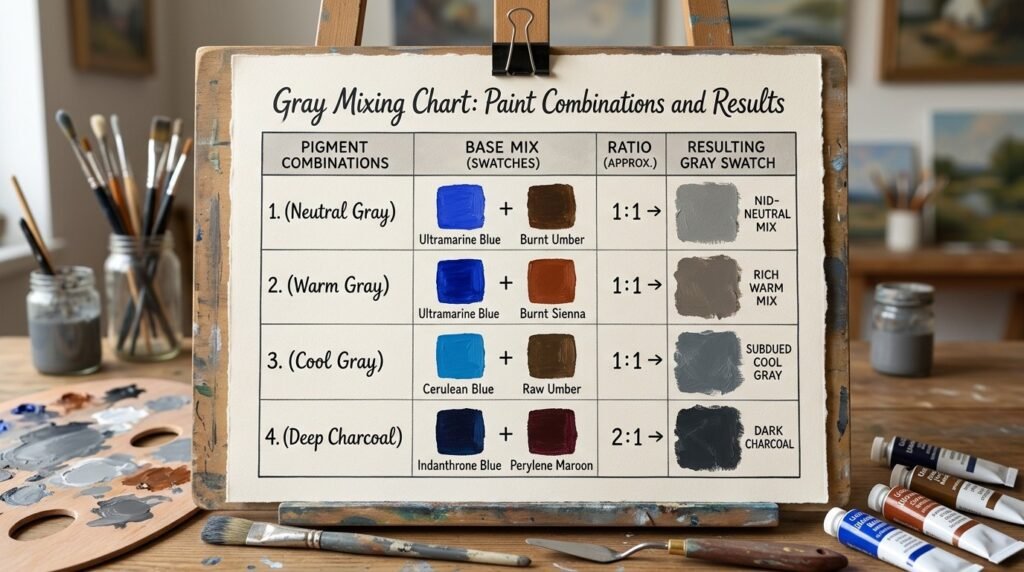
| Paint Combination | Ratio | Resulting Shade | Hex Code |
| Black + White | 1:1 | Medium Gray | #808080 |
| White + Small Black Amount | 4:1 | Light Gray | #BFBFBF |
| Black + Extra Amount | 3:1 | Charcoal Gray | #36454F |
| Blue + Orange | 1:1 | Neutral Blue Gray | #778899 |
| Red + Green | 1:1 | Warm Gray | #8B8680 |
| Yellow + Purple | 1:1 | Soft Gray | #989898 |
| Blue + Black + White | 1:1:2 | Slate Gray | #708090 |
| Brown + White | 1:3 | Greige Gray | #A89F91 |
| Violet + Yellow + White | 1:1:2 | Lavender Gray | #C4C3D0 |
| Green + Red + White | 1:1:2 | Sage Gray | #9AA49A |
How to Make Gray With Different Starting Colors
Sometimes you may not have black paint available. Fortunately, there are several alternative ways to create gray.
1. Blue and Orange Gray
Blue and orange are complementary colors. When mixed, they neutralize each other and create a balanced gray.
Try:
- Ultramarine blue + burnt orange
- Cobalt blue + orange
This method often creates a slightly cool gray.
2. Red and Green Gray
Red and green can create a warmer gray because many red pigments contain earthy undertones.
Try:
- Crimson red + forest green
- Cadmium red + olive green
3. Yellow and Purple Gray
Yellow and purple produce a softer gray with subtle warmth.
Try:
- Yellow ochre + violet
- Lemon yellow + purple
4. Brown and White Gray
Mixing brown with white creates a natural gray-beige shade.
This is commonly used in:
- Interior painting
- Furniture finishes
- Neutral color palettes
How to Make Gray Digitally (RGB and Hex)
For digital design, the standard gray color value is:
Gray Hex Code: #808080
RGB Values:
- Red: 128
- Green: 128
- Blue: 128
The RGB formula is:
RGB(128, 128, 128)
This creates a perfectly balanced medium gray.
Using Gray in Design Software
You can enter gray using:
Photoshop
- Open the color picker.
- Enter hex value:
- #808080
- Apply the color.
Procreate
- Tap the color circle.
- Enter RGB values:
- R: 128
- G: 128
- B: 128
CSS
Use:
color: #808080;
or:
rgb(128,128,128);
Common Mistakes When Making Gray and How to Fix Them
Gray Looks Too Blue
Cause: Too much blue pigment was added.
Fix: Add a tiny amount of orange or warm yellow to neutralize the blue.
Gray Looks Too Brown
Cause: Too much warm pigment such as orange or red.
Fix: Add a small amount of blue.
Gray Looks Too Purple or Pink
Cause: Too much red or violet pigment.
Fix: Add a touch of yellow or green.
Gray Looks Flat and Lifeless
Cause: Only using black and white can sometimes create a dull appearance.
Fix: Add a tiny amount of complementary colors to create richer gray tones.
Gray Turns Almost Black
Cause: Too much dark pigment was added.
Fix: Slowly mix in white until the desired brightness returns.
Tips for Getting a Consistent, Beautiful Gray
Creating professional-looking gray requires careful control.
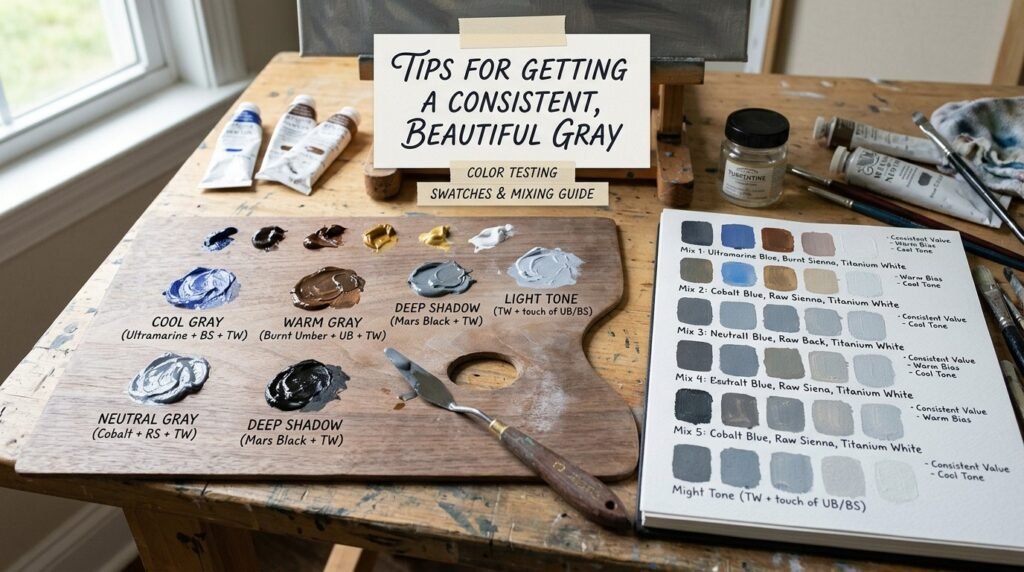
Use Quality Pigments
Different brands produce different results. Some blacks are warmer, while others have blue undertones.
Mix Small Test Batches
Before making a large amount, test your formula first.
Keep Notes
Record your ratios so you can recreate the same gray later.
Allow Paint to Dry
Some paints become darker or lighter after drying.
Use a Clean Palette
Old paint residue can slightly change your final gray shade.
Real-Life Uses of Gray
Gray is one of the most popular colors across industries.

Fashion
Gray clothing creates a sophisticated and timeless style.
Popular examples:
- Gray suits
- Gray sweaters
- Gray sneakers
- Gray accessories
Interior Design
Gray is widely used for:
- Walls
- Sofas
- Flooring
- Modern kitchens
It works especially well with:
- White
- Black
- Wood tones
- Metallic finishes
Branding and Technology
Many companies use gray because it communicates:
- Professionalism
- Reliability
- Innovation
Gray is especially common in technology brands and minimalist designs.
Shades and Variations of Gray
Gray has many variations depending on its undertones.
| Gray Shade | Hex Code | Common Uses |
| Light Gray | #D3D3D3 | Backgrounds, soft designs |
| Medium Gray | #808080 | General neutral color |
| Dark Gray | #A9A9A9 | Text and modern interiors |
| Charcoal Gray | #36454F | Fashion, luxury design |
Where Gray Sits on the Color Wheel
Gray does not have a traditional location on the color wheel because it is an achromatic color.
However, gray can have relationships with other colors:
Complementary Colors
Gray pairs well with almost every complementary color because it acts as a neutral base.
Examples:
- Gray + Orange
- Gray + Yellow
- Gray + Purple
Analogous Colors
Gray works beautifully with muted versions of:
- Blue-gray
- Green-gray
- Purple-gray
Tertiary Status
Gray is not considered a primary, secondary, or tertiary color because it is created through neutralization rather than mixing traditional color wheel categories.
Conclusion
Now you know what colors make gray and how to create different gray shades using paint and digital tools.
The simplest formula is:
Black + White = Gray (1:1 ratio)
You can also experiment with complementary combinations like blue and orange, red and green, or yellow and purple to create unique gray tones.
Whether you are painting, designing a room, creating digital artwork, or choosing a color palette, understanding how to make Gray gives you more control over your creative projects.
Start with small tests, adjust slowly, and you will discover the perfect gray for your needs.
FAQs About Making Gray
What colors make gray?
Black and white make gray when mixed in equal amounts. You can also create gray by mixing complementary colors such as blue and orange, red and green, or yellow and purple.
How do you make gray color without black?
You can make gray without black by mixing complementary colors. Blue and orange are one of the most common alternatives because they naturally neutralize each other.
What two colors make gray?
The easiest two-color combination is black and white. Another option is mixing equal parts of complementary colors like blue and orange.
How do you make warm gray paint?
To make warm gray, start with a neutral gray and add a small amount of warm colors like brown, red, yellow, or orange.
How do you make cool gray?
Cool gray is created by adding a small amount of blue, green, or violet to a neutral gray mixture.
What is the hex code for gray?
The standard gray hex code is #808080, with RGB values of 128, 128, 128.
Can you make gray with primary colors?
Yes. Mixing primary colors can create a gray-like neutral. For example, combining red, yellow, and blue in balanced amounts produces a muted gray or brown-gray tone depending on the pigments used.