What Two Colors Make Purple: How to Mix the Perfect Shade
Have you ever wondered what two colors make purple when you are painting, designing, or experimenting with colors at home? Purple is one of the most fascinating colors because a simple combination of two primary colors can create dozens of beautiful shades, from soft lavender to deep royal purple.
Main takeaway: To make purple, mix red and blue paint in approximately a 1:1 ratio. Adjust the amount of each color to create warmer, cooler, lighter, or darker purple variations.
Purple is created by combining a warm primary color (red) with a cool primary color (blue). However, the exact result depends on the pigments you use. A bright red mixed with a strong blue usually creates a vivid purple, while different shades can produce violet, plum, lavender, or muted purple tones.
Whether you are painting a canvas, designing graphics, decorating a room, or learning color theory, understanding what two colors make purple helps you create the exact shade you want.
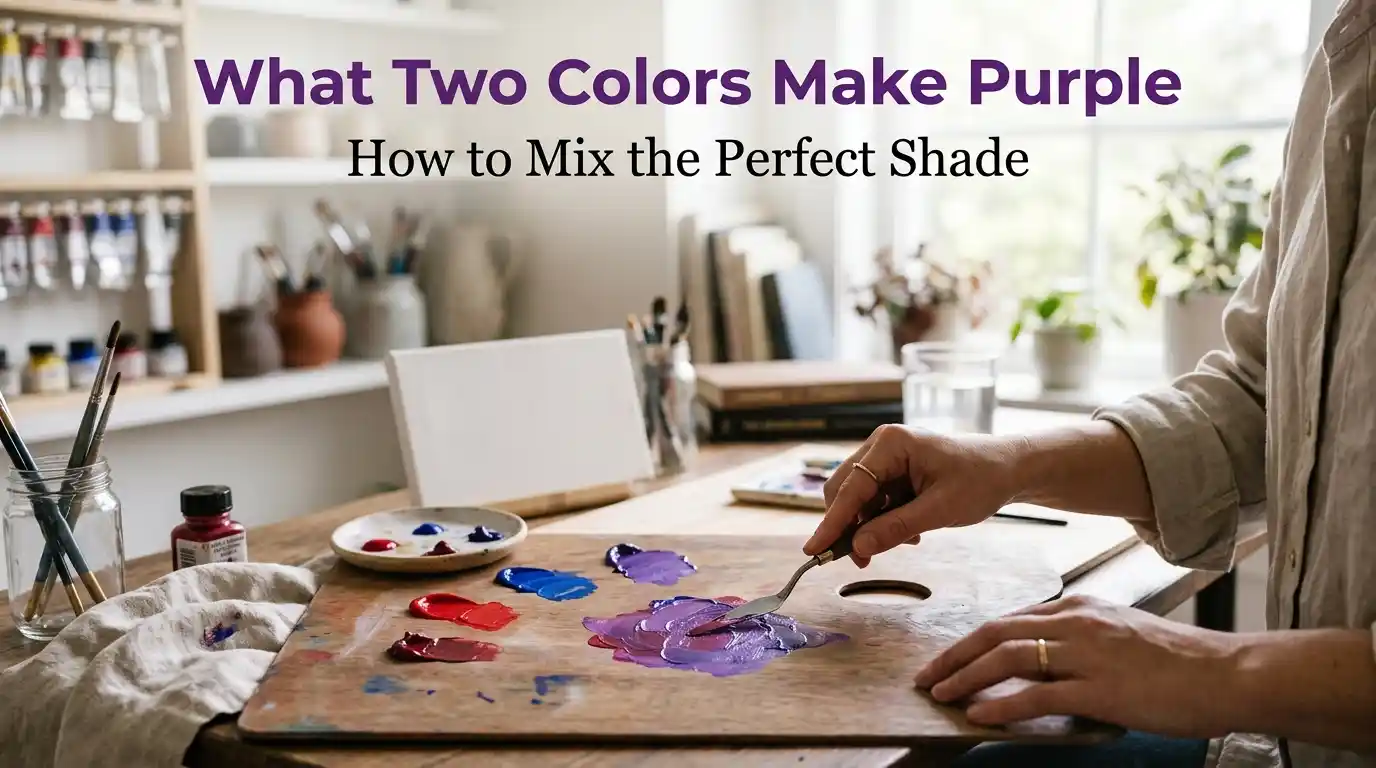
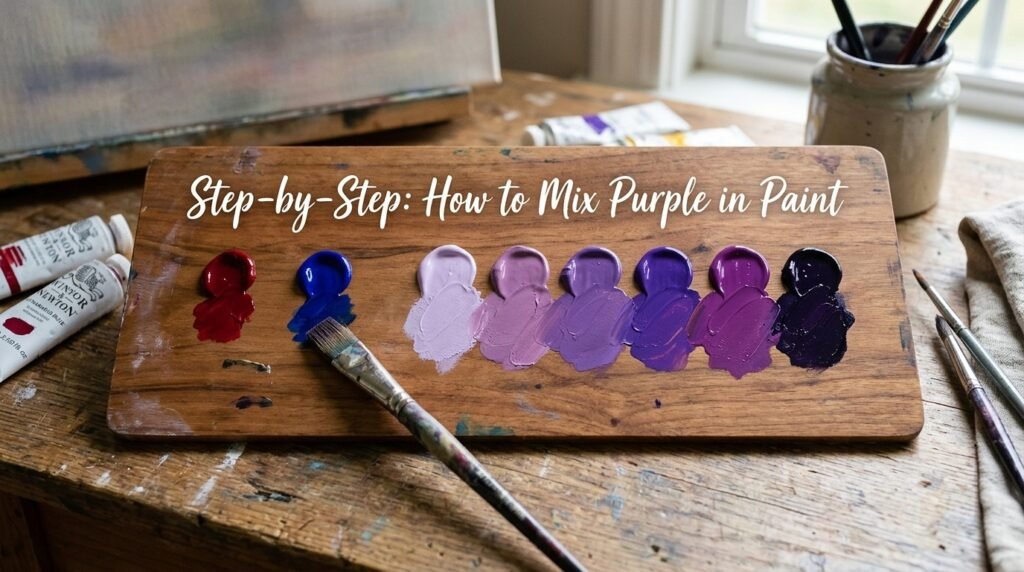
Image Caption: Step-by-step color swatch showing how mixing red and blue creates different shades of purple.
What Is Purple?
Purple is a secondary color created by mixing two primary colors: red and blue. On the traditional color wheel used for paint mixing, purple sits between red and blue, making it a bridge between warm and cool colors.
The standard purple color is:
| Color Name | Hex Code | RGB Values |
| Purple | #800080 | RGB (128, 0, 128) |
Purple has a unique personality because it combines the energy of red with the calmness of blue.
Depending on the balance of these two colors, purple can appear:
- Warm purple: Contains more red and feels rich, passionate, and energetic.
- Cool purple: Contains more blue and feels peaceful, creative, and elegant.
- Bright purple: Uses highly saturated pigments for a vivid appearance.
- Muted purple: Includes small amounts of complementary colors or gray.
Historically, purple has been associated with royalty, luxury, creativity, spirituality, and imagination. Because purple pigments were once difficult and expensive to produce, the color became linked with wealth and importance.
Today, purple appears everywhere—from fashion and branding to digital design and interior decoration.
“Mixing purple is like blending sunset and ocean tones—the warmth of red meets the calm depth of blue to create something completely new.”
What Colors Make Purple?
The simple answer to what two colors make purple is:
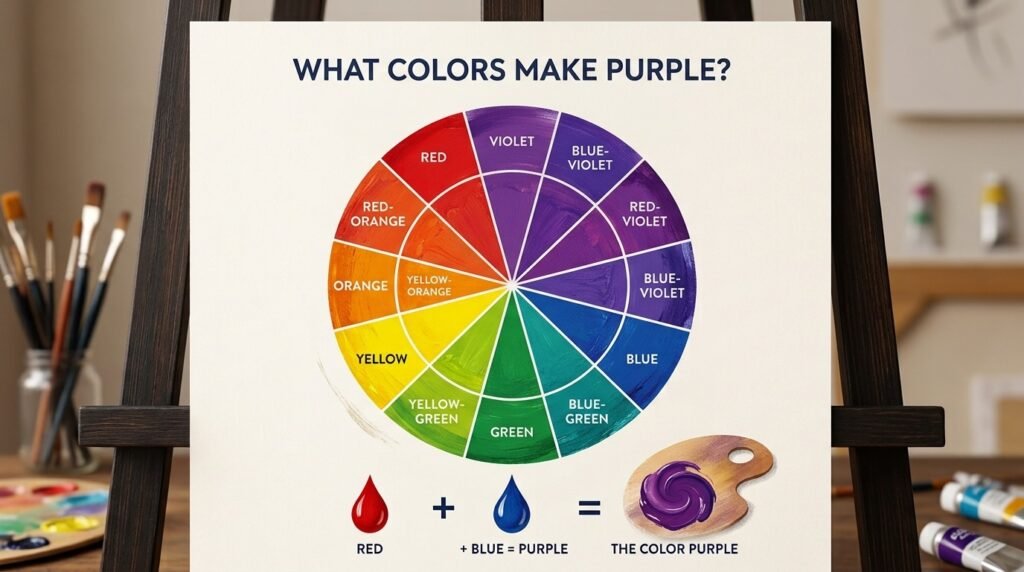
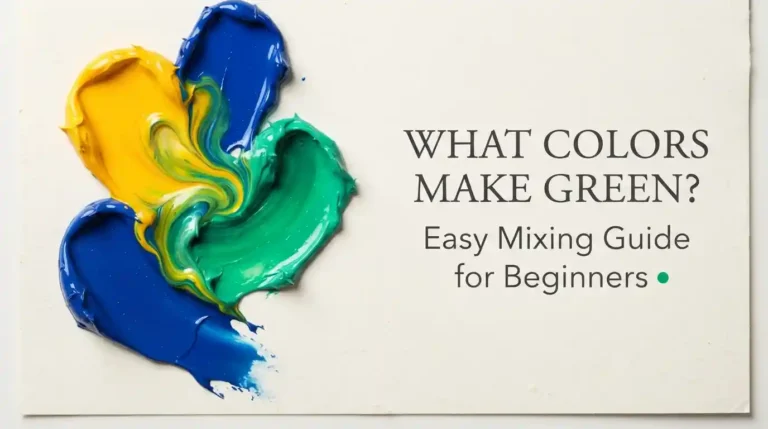
Red + Blue = Purple
The basic mixing formula:
| Color | Amount | Purpose |
| Red paint | 50% | Adds warmth and richness |
| Blue paint | 50% | Adds depth and coolness |
For a balanced purple:
Mix equal parts red and blue (1:1 ratio).
However, the type of red and blue you choose affects the final result.
For example:
- Ultramarine Blue + Crimson Red → deep royal purple
- Cobalt Blue + Magenta → bright violet purple
- Cerulean Blue + Scarlet Red → softer muted purple
Some pigments contain hidden undertones. A blue with a green undertone may create a duller purple, while a blue with a violet undertone usually creates a cleaner result.
Step-by-Step: How to Mix Purple in Paint
Learning how to make purple is simple, but controlling the shade requires small adjustments. Follow these steps to create a balanced purple color.
Step 1: Choose Your Red and Blue Paint
Start with clean, high-quality pigments.
Good choices include:
Red options:
- Crimson
- Magenta
- Scarlet
- Cadmium Red
Blue options:
- Ultramarine Blue
- Cobalt Blue
- Phthalo Blue
For the closest match to standard purple (#800080), use a strong red and blue with minimal yellow undertones.
Step 2: Start With a 1:1 Mixing Ratio
Place equal amounts of red and blue paint on your palette.
Example:
- 1 teaspoon red paint
- 1 teaspoon blue paint
Mix thoroughly until no streaks remain.
You should get a medium purple shade.
Beginner Tip Box:
💡 Beginner Tip: Always mix a small test amount first. Different brands and pigments react differently, so creating a tiny swatch before mixing a large batch helps you avoid wasting paint.
Step 3: Adjust the Purple Shade
Once you have your base purple, customize it depending on your project.
To Make Purple Warmer
Add more red.
Result:
- More reddish purple
- Plum tones
- Wine-like shades
Formula:
Purple + extra red = warm purple
To Make Purple Cooler
Add more blue.
Result:
- Violet tones
- Indigo-like shades
- Cooler purple shades
Formula:
Purple + extra blue = cool purple
To Make Purple Lighter
Add white paint gradually.
Result:
- Lavender
- Lilac
- Pastel purple
Formula:
Purple + white = lighter purple
To Make Purple Darker
Add a small amount of black or a darker blue.
Result:
- Eggplant
- Deep purple
- Midnight purple
Be careful when adding black because it can quickly overpower purple.
Step 4: Test the Color After Drying
Paint often changes slightly when it dries.
A wet purple may look brighter, while a dry purple can appear darker or less saturated.
Create a small sample swatch and check it under the lighting where the final artwork will be displayed.
Image Caption: Paint palette showing red, blue, and adjusted purple shades from light lavender to deep violet.
Real-Life Uses of Purple
Purple is one of the most versatile colors because it can feel luxurious, calming, creative, mysterious, or playful depending on the shade. Once you understand how to make purple, you can create custom tones that work beautifully across different industries and creative projects.
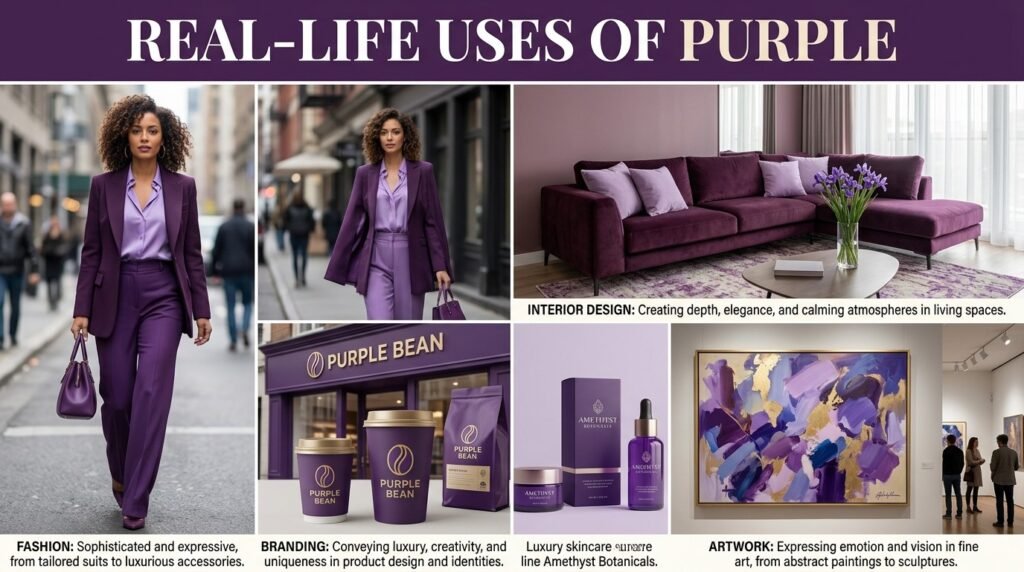
Purple in Fashion
Purple has long been associated with elegance and confidence in fashion.
Different purple shades create different moods:
- Royal purple gives a luxurious and dramatic appearance.
- Lavender creates a soft and romantic feeling.
- Plum purple feels sophisticated and mature.
- Violet adds energy and creativity.
Fashion designers often use purple in:
- Dresses
- Accessories
- Shoes
- Makeup packaging
- Seasonal collections
A deep purple outfit can feel powerful and elegant, while pastel purple creates a softer, more approachable style.
Purple in Interior Design
Purple can completely change the atmosphere of a room.
Common uses include:
Light Purple Shades
Examples:
- Lavender
- Lilac
- Soft violet
Best for:
- Bedrooms
- Relaxation areas
- Creative spaces
Dark Purple Shades
Examples:
- Eggplant
- Aubergine
- Royal purple
Best for:
- Accent walls
- Luxury furniture
- Decorative elements
Interior designers often combine purple with:
- Gold for a luxurious look
- White for a clean modern style
- Gray for a sophisticated appearance
- Green for a natural contrast
Purple in Branding and Marketing
Many brands use purple because it communicates creativity, imagination, and premium quality.
Purple is commonly used by businesses related to:
- Beauty
- Technology
- Education
- Creativity
- Wellness
A carefully chosen purple shade can help a brand appear:
- Innovative
- Unique
- High-quality
- Trustworthy
Purple in Art and Creative Projects
Artists use purple to create depth, emotion, and contrast.
Purple works especially well in:
- Landscapes
- Fantasy artwork
- Flower paintings
- Digital illustrations
- Abstract art
Because purple sits between warm and cool colors, it helps artists create balanced compositions.
Image Caption: Examples of purple used in fashion, interior design, branding, and artwork.
Shades and Variations of Purple
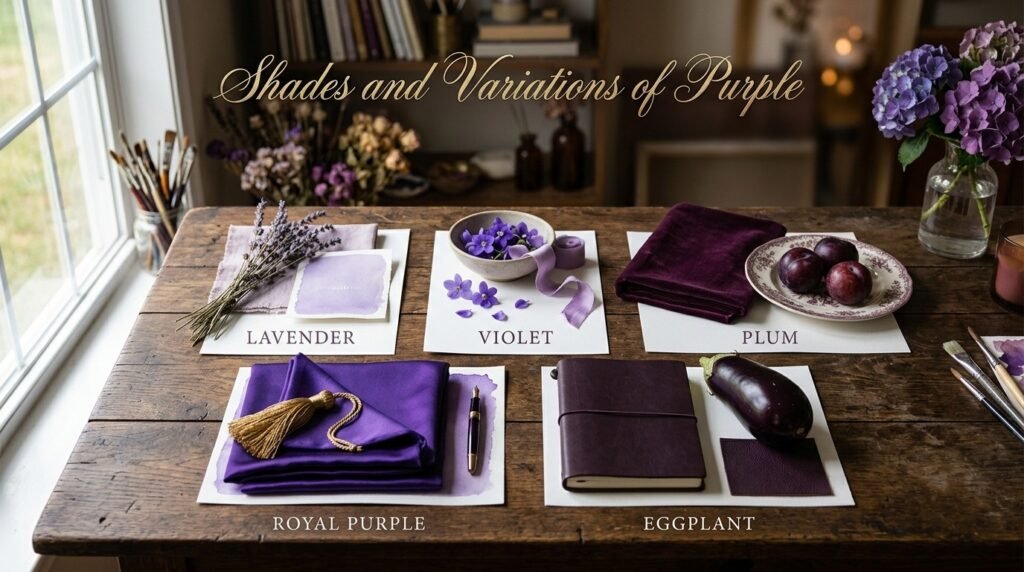
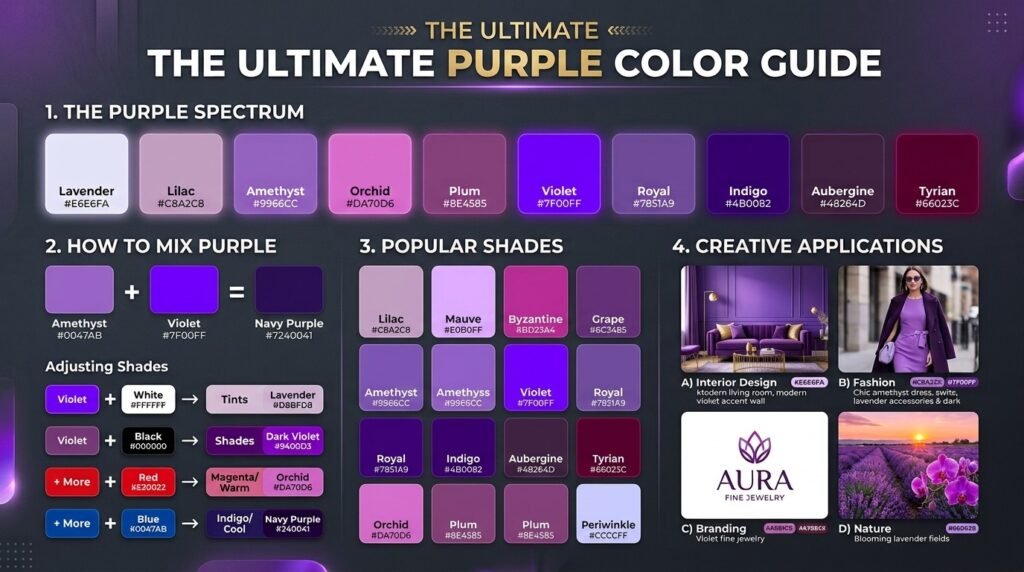
Purple is not just one color. By changing the red-to-blue ratio or adding white, black, or gray, you can create hundreds of variations.
Below are some popular purple shades with their approximate hex codes.
| Purple Variation | Hex Code | Description | Common Uses |
| Classic Purple | #800080 | Balanced red and blue mixture | General designs, art |
| Violet | #8F00FF | Bright and energetic purple | Digital art, branding |
| Lavender | #E6E6FA | Soft pastel purple | Bedrooms, weddings, beauty |
| Plum | #8E4585 | Rich reddish purple | Fashion, luxury designs |
| Royal Purple | #7851A9 | Elegant deep purple | Premium branding |
| Indigo | #4B0082 | Dark blue-purple shade | Modern designs, technology |
| Mauve | #E0B0FF | Gentle pink-purple tone | Fashion, decoration |
| Eggplant | #301934 | Very dark purple | Luxury interiors |
Classic Purple (#800080)
This is the standard purple created by mixing equal amounts of red and blue.
Characteristics:
- Balanced warm and cool qualities
- Strong and recognizable
- Traditional purple appearance
Best used for:
- Logos
- Artwork
- Educational materials
Lavender (#E6E6FA)
Lavender is a pale purple created by adding white to purple.
Characteristics:
- Soft
- Peaceful
- Feminine
- Relaxing
Common uses:
- Nursery designs
- Wedding themes
- Wellness brands
Violet (#8F00FF)
Violet is a brighter, more energetic purple.
Characteristics:
- Vibrant
- Creative
- Eye-catching
Common uses:
- Digital graphics
- Modern branding
- Artistic designs
Plum (#8E4585)
Plum is a warmer purple with more red influence.
Characteristics:
- Elegant
- Rich
- Sophisticated
Common uses:
- Fashion
- Luxury packaging
- Interior decoration
Where Purple Sits on the Color Wheel
Understanding purple’s position on the color wheel helps explain why certain colors work well together.
Purple is a secondary color created by mixing:
Red + Blue = Purple
On the traditional color wheel:
- Purple sits between red and blue.
- It is opposite yellow.
- It belongs to the cool side but can become warmer with extra red.
Purple’s Complementary Color
The complementary color of purple is:
Yellow
Purple and yellow create strong contrast because they sit opposite each other on the color wheel.
Examples:
- Purple flowers with yellow centers
- Purple and gold branding
- Yellow accessories with purple clothing
Analogous Colors of Purple
Analogous colors are located next to each other on the color wheel.
Purple’s neighboring colors include:
- Blue
- Blue-violet
- Red-violet
These combinations create smooth, harmonious designs.
Tertiary Relationship
Purple itself is a secondary color because it combines two primary colors.
However, many purple variations become tertiary colors when mixed with additional colors.
Examples:
- Red-violet
- Blue-violet
Conclusion
Understanding what two colors make purple is the foundation of creating this beautiful and versatile color.
The basic formula is simple:
Red + Blue = Purple
Start with equal amounts of red and blue paint, then adjust the mixture depending on the shade you want:
- Add more red for warmer purple
- Add more blue for cooler purple
- Add white for lighter shades
- Add small amounts of black for deeper tones
The best way to master how to make purple is through experimentation. Different pigments, brands, and ratios can create completely different results, so always test small batches before starting a large project.
Whether you are painting, designing digitally, decorating your home, or creating artwork, learning to mix purple opens up endless creative possibilities.
Frequently Asked Questions About Making Purple
What two colors make purple?
Red and blue make purple. Mixing equal amounts of these two primary colors usually creates a balanced purple shade. The exact result depends on the pigments used.
How do you make purple color with paint?
To make purple paint, combine red and blue in approximately a 1:1 ratio. Adjust the mixture by adding more red for warmth or more blue for a cooler purple.
Can you make purple without blue?
Yes, you can create purple-like shades using alternatives such as magenta mixed with red or violet mixed with other colors. However, traditional purple requires a blue pigment.
What colors make light purple?
Light purple is made by mixing purple with white.
Formula:
Purple + White = Lavender or Pastel Purple
The more white you add, the lighter and softer the shade becomes.
How do you make dark purple?
Dark purple can be created by adding a small amount of black or dark blue to a purple mixture.
Be careful with black because too much can make the color appear dull.
What two colors make violet purple?
A bright violet purple is usually created by mixing a cool blue with a strong magenta or crimson red.
A common formula is:
Magenta + Ultramarine Blue = Violet Purple
How do you make purple brighter?
To create a brighter purple:
- Use clean, highly saturated pigments
- Avoid muddy red and blue combinations
- Add more magenta or a vibrant blue
High-quality pigments usually produce the most vivid results.
What colors make purple in RGB?
In digital color systems, standard purple is:
- Hex: #800080
- RGB: 128, 0, 128
This means the red and blue channels are equal, while green is set to zero.