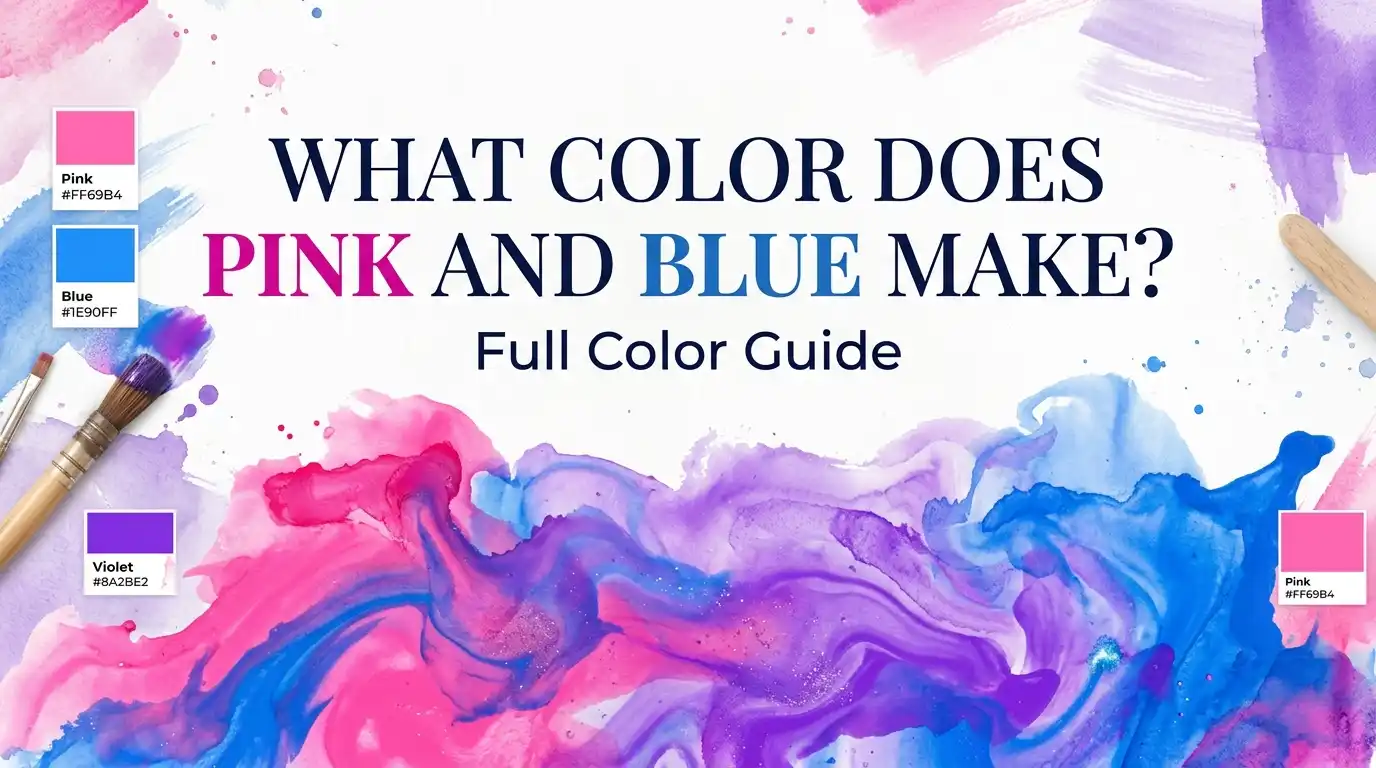
What Color Does Pink and Blue Make? Full Color Guide
Have you ever wondered What Color Does Pink and Blue Make when you mix these two beautiful colors? Whether you are an artist, designer, DIY enthusiast, or simply exploring color combinations, understanding how pink and blue interact can help you create the perfect shade for your project.
Pink and blue create a fascinating result because they combine a warm color family with a cool one. The outcome depends on whether you are mixing paint, pigments, or digital light.
Meta-style intro: Learn what color pink and Blue Make when mixed, including paint ratios, RGB light results, color charts, pigment combinations, and creative uses.
Main Takeaway: When mixed as paint, pink and blue usually create a shade of purple, violet, or lavender. The exact result depends on the pigments and ratio used. When mixed as light, pink and blue create a bright magenta-purple color because RGB mixing works differently.
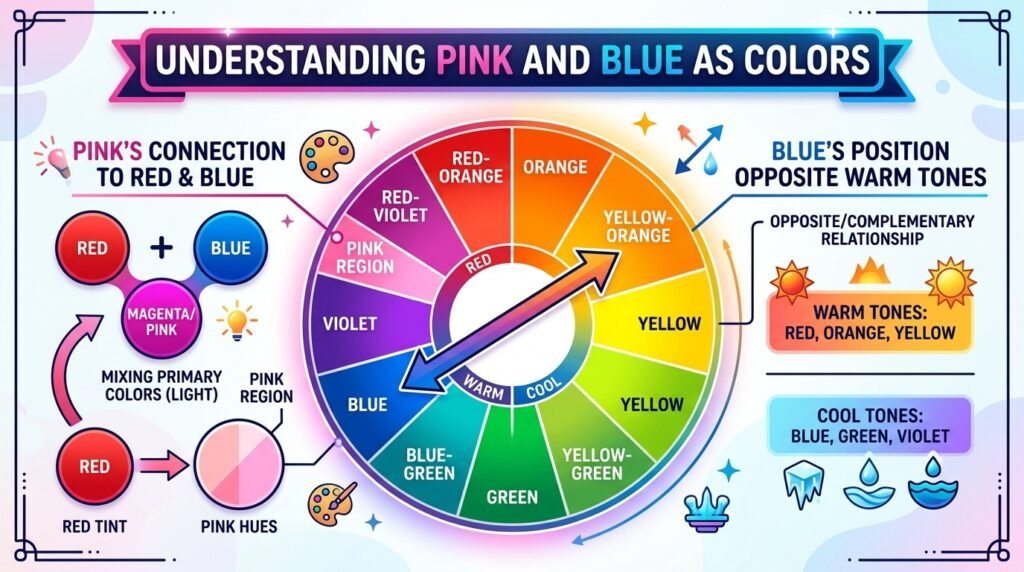
Understanding Pink and Blue as Colors
Before learning What Color Does Pink and Blue Make, it helps to understand the properties of each color separately.
Pink as a Color
Pink is a lighter version of red created by mixing red with white. It is considered a warm color because it comes from the red color family.
Pink is commonly associated with:
- Creativity
- Love
- Softness
- Playfulness
- Calmness
Pink is not a primary color because it is created by adjusting the intensity of red pigment.
Blue as a Color
Blue is one of the traditional primary colors in the RYB color model. It is considered a cool color and is often connected with:
- Peace
- Stability
- Trust
- Nature
- Relaxation
When pink and blue are combined, the warm red undertones inside pink interact with the cool blue pigment, moving the mixture toward the purple family.
“Mixing pink and blue is like blending strawberry milk with blueberry flavor—the result becomes something completely new but still keeps hints of both original colors.”
What Color Do You Get When You Mix Pink and Blue Paint?
The answer to what color pink and blue make depends on the type of paint you use.
In most traditional paint mixing situations:
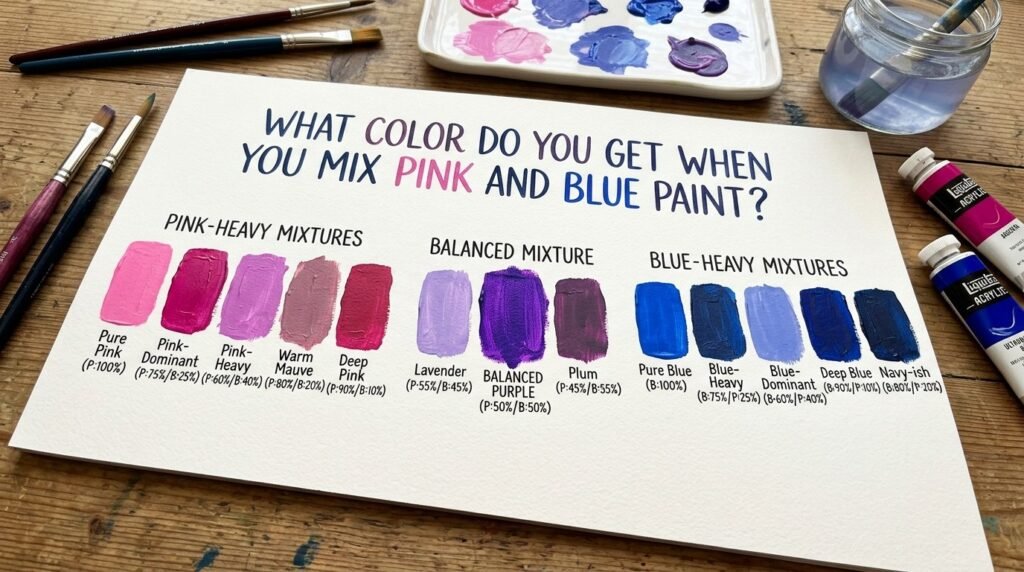
Pink + Blue = Purple/Violet
However, different ratios create different shades.
1:1 Ratio (Equal Pink and Blue)
| Ratio | Result Color | Hex Code | Use Case |
| 1 Pink + 1 Blue | Medium Violet Purple | #8E6BC7 | Artwork, illustrations, decorative projects |
A balanced mixture creates a classic purple shade.
2:1 Ratio (More Pink)
| Ratio | Result Color | Hex Code | Use Case |
| 2 Pink + 1 Blue | Soft Lavender Purple | #B89AD9 | Fashion designs, pastel artwork |
Adding more pink creates a warmer and softer purple.
1:2 Ratio (More Blue)
| Ratio | Result Color | Hex Code | Use Case |
| 1 Pink + 2 Blue | Blue Violet | #6A5ACD | Digital graphics, modern interiors |
More blue creates a deeper and cooler violet.
Image Caption: Paint swatches showing pink-heavy, balanced, and blue-heavy mixtures.
Full Pink and Blue Mixing Chart
Different pigments create different results. The answer to What Color Does Pink and Blue Make changes depending on the paint brand and pigment type.
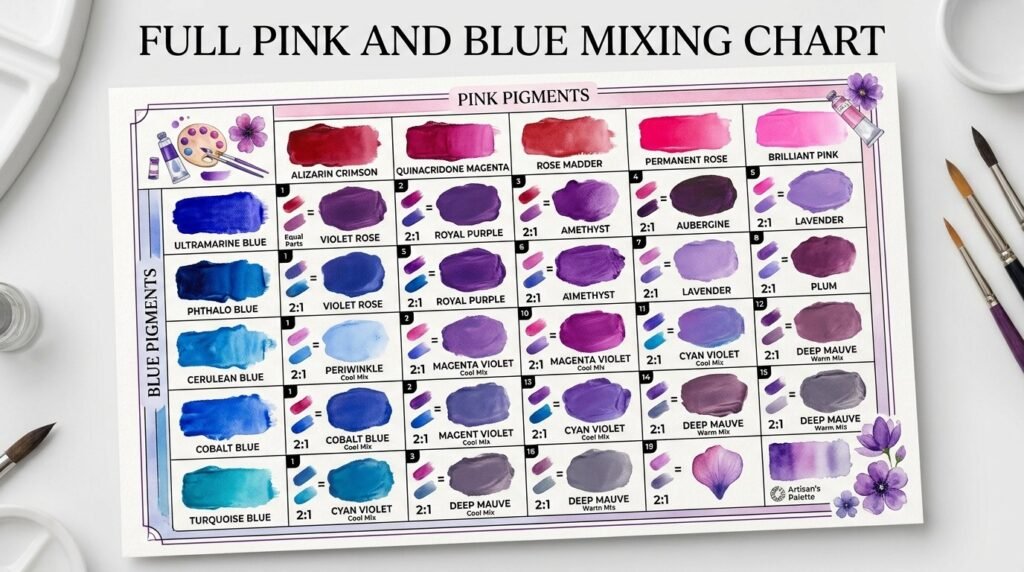
| Pink Pigment | Blue Pigment | Result Color | Hex Code |
| Rose Pink | Ultramarine Blue | Classic Violet | #8E6BC7 |
| Magenta Pink | Cobalt Blue | Bright Purple | #9146CC |
| Baby Pink | Sky Blue | Soft Lavender | #C8C6F5 |
| Hot Pink | Royal Blue | Vibrant Violet | #7F4FCF |
| Blush Pink | Navy Blue | Dusty Purple | #7D6B91 |
| Coral Pink | Cerulean Blue | Muted Violet | #9A82B8 |
| Raspberry Pink | Indigo Blue | Deep Plum | #674A8A |
| Pastel Pink | Baby Blue | Light Lavender | #D8D0F0 |
| Rose Pink | Prussian Blue | Dark Violet | #62509A |
| Soft Pink | Sapphire Blue | Cool Purple | #7568C7 |
| Peach Pink | Denim Blue | Gray Violet | #8878A8 |
What Color Does Pink and Blue Light Make?
When discussing What Color Does Pink and Blue Make, it is important to separate paint mixing from light mixing.
Paint uses subtractive color mixing, while screens and LEDs use additive color mixing.
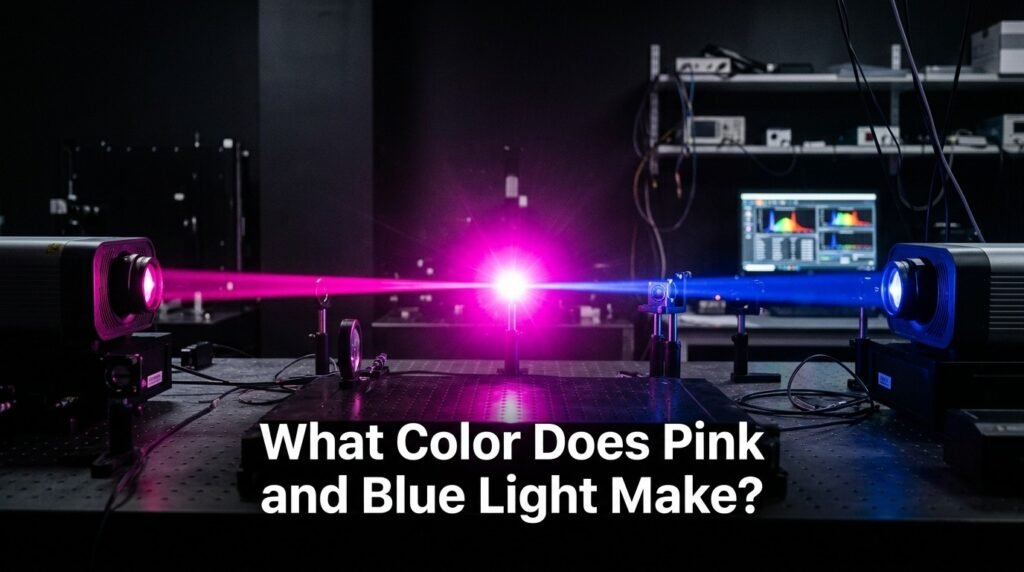
Additive Mixing (RGB Light)
Digital colors are created by combining red, green, and blue light.
When pink light and blue light overlap, the result is usually:
Bright Magenta / Purple Light
Approximate Hex:
#FF00FF
Common Uses
- Computer displays
- Smartphone screens
- LED lighting
- Stage lighting
- Digital artwork
Subtractive vs. Additive Comparison Table
| Feature | Paint Mixing | Light Mixing |
| System | RYB/CMYK | RGB |
| Medium | Pigments | Light |
| Pink + Blue Result | Purple/Violet | Magenta Purple |
| Brightness | Usually darker | Becomes brighter |
| Used For | Art, crafts, painting | Screens, LEDs |
| Mixing Method | Absorbs wavelengths | Adds wavelengths |
How Ratio Affects the Final Color
The amount of each color dramatically changes the final shade.
| Ratio | Result Color | Common Use |
| 3 Pink: 1 Blue | Warm Lavender | Fashion designs |
| 2 Pink: 1 Blue | Soft Purple | Interior decoration |
| 1 Pink: 1 Blue | Balanced Violet | Artwork |
| 1 Pink: 2 Blue | Blue Violet | Branding |
| 1 Pink : 3 Blue | Deep Indigo Purple | Accent designs |
Understanding ratios is essential when learning what color pink and blue make.
Why Your Mix Looks Muddy — And How to Fix It
Sometimes pink and blue do not create a beautiful purple. Instead, the mixture may appear gray or muddy.
1. Wrong Undertones
Some pink paints contain orange or yellow undertones, while some blues contain green undertones.
Fix: Use cleaner pigments such as magenta-based pink and ultramarine blue.
2. Overmixing
Too much mixing can reduce color brightness.
Fix: Stop mixing once the color becomes even.
3. Low-Quality Paint
Cheap paints often contain fillers that create dull results.
Fix: Use artist-grade pigments.
Beginner Tip
Beginner Tip: Always test your pink and blue mixture on a small white surface before applying it to your final artwork.
Best Pigments to Mix for Clean Results
| Pink Pigment | Blue Pigment | Result Description |
| Quinacridone Rose | Ultramarine Blue | Clean bright violet |
| Magenta | Cobalt Blue | Strong purple |
| Permanent Rose | Cerulean Blue | Soft lavender |
| Rose Madder | French Ultramarine | Rich violet |
| Hot Pink | Royal Blue | Vibrant purple |
Mixing Tips
- Start with lighter colors first.
- Add blue slowly because it is stronger.
- Keep notes of successful ratios.
- Test colors after drying.
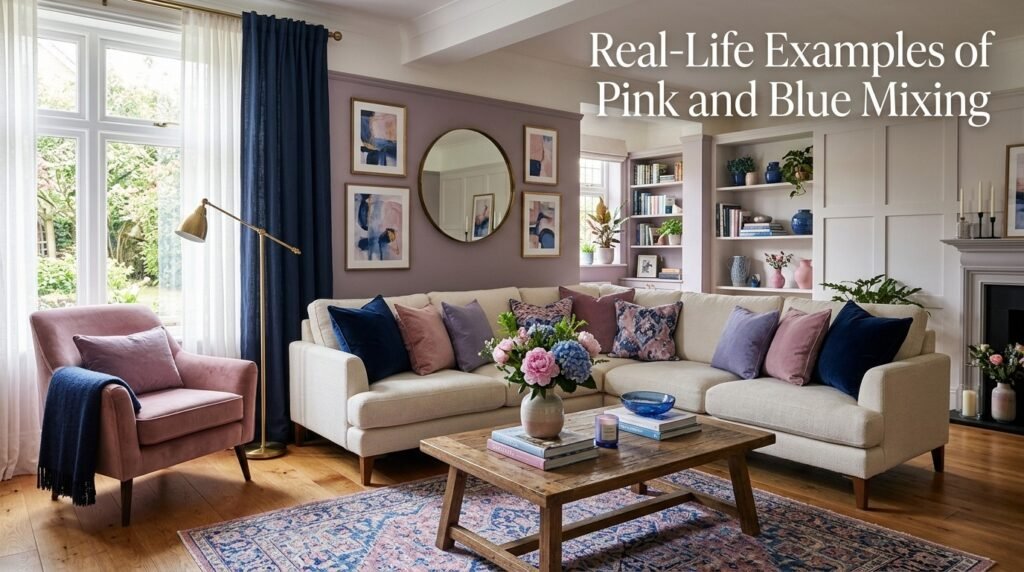
Real-Life Examples of Pink and Blue Mixing
Traditional Art
Artists use pink and blue combinations to create:
- Flower shadows
- Fantasy landscapes
- Sunset effects
- Portrait backgrounds
Interior Design
Lavender and violet shades created from pink and blue are popular in:
- Bedrooms
- Creative studios
- Relaxation spaces
Digital Media
Designers use purple variations for:
- Websites
- Logos
- Mobile apps
- Social graphics
What Happens When You Add White, Yellow, Black, or Other Modifiers?
Adding White
Creates lighter lavender shades.
Example:
#D8D0F0
Adding Black
Creates deeper plum colors.
Example:
#4B305A
Adding Yellow
Yellow reduces purple intensity and creates muted neutral shades.
Example:
#9B8F75
Adding More Blue
Creates cooler violet tones.
Example:
#6A5ACD
Paint vs. Digital Media Comparison
When asking What Color Does Pink and Blue Make, always consider the medium.
Paint Example
Pink acrylic paint mixed with blue acrylic paint creates purple because pigments absorb light.
Digital Example
Pink and blue pixels combine through RGB channels to create bright magenta-purple light.
The same colors can look completely different depending on whether you are mixing paint or digital light.
Tips for Artists
Choose Cool and Clean Pigments
Avoid colors with unwanted yellow or green undertones.
Test on White Paper
A white background shows the true mixture.
Layer Colors
Layering can create richer effects than heavy mixing.
Mix Small Amounts
Create samples before making large quantities.
Purple in Fashion and Interior Design
Because pink and blue usually create purple, this resulting color has become popular in modern design.
Purple shades represent:
- Creativity
- Luxury
- Imagination
- Calmness
In fashion, lavender and violet tones are often used for elegant clothing and accessories.
In interiors, purple accent walls, cushions, artwork, and decorative pieces can add personality without overwhelming a room.
Where Purple Sits on the Color Wheel
Purple, created from pink and blue,e belongs to the violet family.
| Property | Description |
| Color Type | Secondary Color |
| Family | Purple/Violet |
| Complementary Color | Yellow |
| Analogous Colors | Blue-Violet and Red-Violet |
Purple sits between blue and red on the traditional color wheel.
Conclusion
So, What Color Does Pink and Blue Make?
When mixed as paint, pink and blue usually create purple, violet, or lavender shades. The final color depends on pigment quality and the ratio used.
When mixed as light, pink and blue create a bright magenta-purple color because RGB light follows different rules.
Experiment with different pigments, adjust your ratios carefully, and enjoy discovering new shades.
FAQs
What color does pink and blue make when mixed?
Pink and blue paint usually create a purple or violet color. The exact shade depends on the pigments and ratio used.
What color do pink and blue make in equal amounts?
A 1:1 mixture creates a balanced violet-purple shade. It is one of the most common results when mixing these colors.
What color do pink and blue make with paint?
Paint mixing generally produces purple because the red base in pink combines with blue pigment.
What color does pink and blue light make?
Pink and blue light create a bright magenta-purple color through additive RGB mixing.
Can pink and blue make lavender?
Yes. Adding more white to a pink and blue mixture creates softer lavender shades.
Why does my pink and blue mixture look muddy?
Muddy colors usually happen because of poor pigment combinations, unwanted undertones, or excessive mixing.
How can I make a brighter purple from pink and blue?
Use clean pigments such as magenta pink and ultramarine blue, then adjust the mixture slowly.